Importance of Breastfeeding for New Mothers: The First Gift of Life
Breastfeeding is more than nutrition: it is a profound first step in lifelong health. The Importance of Breastfeeding for New Mothers lies not only in the antibodies and perfect balance of nutrients breastmilk provides, but also in the early bonding, psychological benefits, and long-term protection for mother and child. This article explores why breastfeeding matters, how to make it work, and where to find reliable support.

Why Breastfeeding Matters: Key Benefits
From the first drop of colostrum to months of exclusive breastfeeding, the Importance of Breastfeeding for New Mothers shows in multiple ways:
- Immune protection: Antibodies and live cells in breastmilk lower the risk of infections.
- Optimal nutrition: Breastmilk supplies the right mix of proteins, fats, vitamins, and enzymes for the infant’s developing brain and body.
- Lower chronic disease risk: Breastfeeding reduces childhood obesity and certain chronic disease risks later in life.
- Maternal health benefits: Reduced postpartum bleeding, lower risk of breast and ovarian cancer, and assistance with postpartum weight loss.
- Bonding and mental health: Skin-to-skin contact and hormone release support emotional closeness and maternal well-being.
Global Recommendations and Evidence
Leading health organizations, including the World Health Organization (WHO), recommend exclusive breastfeeding for the first six months and continued breastfeeding with appropriate complementary foods up to two years or beyond. For more details, see the WHO guidance on breastfeeding. WHO: Breastfeeding

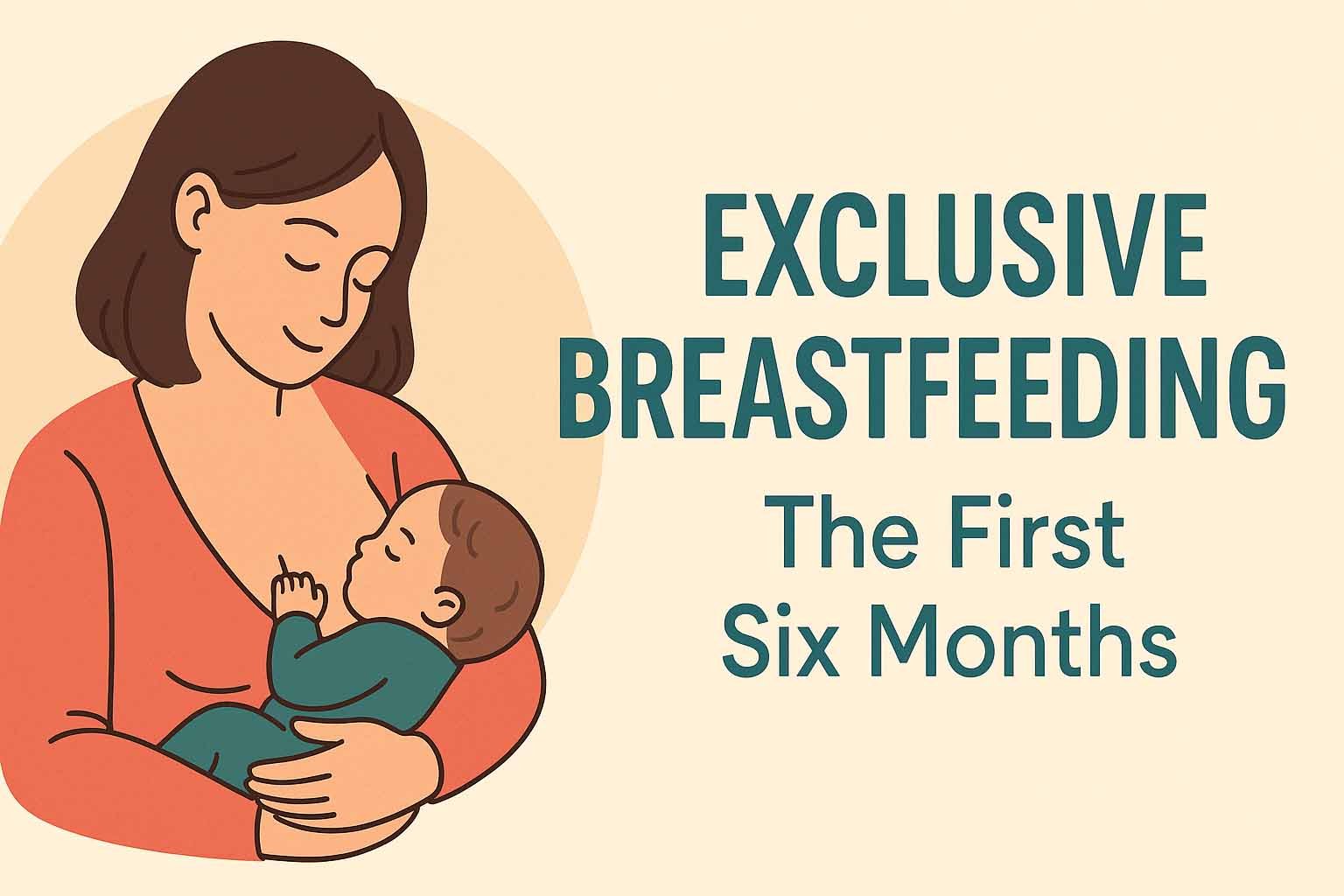
Exclusive Breastfeeding: The First Six Months
Exclusive breastfeeding — giving only breastmilk, no water or solids — for the first six months is central to the Importance of Breastfeeding for New Mothers. During this period, breastmilk alone meets all an infant’s nutritional and hydration needs while greatly reducing the risk of diarrhoeal and respiratory disease. Mothers who commit to exclusive breastfeeding often report stronger confidence in caring for their newborns and see early benefits like faster recovery and improved mood.
How Breastfeeding Supports Infant Development
Breastmilk contains antibodies, living cells, and hormones that adapt to a baby’s changing needs. Cognitive development, gut microbiome development, and emotional regulation all benefit from early and continued breastfeeding. The Importance of Breastfeeding for New Mothers is therefore also an investment in the child’s future learning and health.
- Brain development: Essential fatty acids in breastmilk support neurodevelopment.
- Gut health: Prebiotics and beneficial bacteria in breastmilk promote a resilient gut microbiome.
- Reduced allergies: Early exposure to mother’s milk can lower certain allergic outcomes.
Maternal Health Advantages
Beyond baby’s growth, the Importance of Breastfeeding for New Mothers includes measurable maternal health benefits:
- Helps the uterus contract and return to pre-pregnancy size.
- Associated with lower lifetime risk of breast and ovarian cancer.
- May lower the risk of type 2 diabetes and help with postpartum weight management.
- Encourages maternal mental wellbeing through oxytocin-mediated bonding.
Practical Tips for New Mothers
Understanding the Importance of Breastfeeding for New Mothers is one thing — making it work at home is another. Here are practical, evidence-based tips to help you succeed:
- Start early: Skin-to-skin and first latch within the first hour after birth improves success.
- Feed on demand: Watch for feeding cues like rooting, sucking, and hand-to-mouth movements rather than strict schedules.
- Ensure a good latch: A deep latch prevents nipple pain and ensures effective milk transfer.
- Seek help early: Consult a lactation consultant, trained nurse, or local support group if you experience pain or low supply.
- Rest and hydrate: Your milk supply responds to your comfort and nourishment.
Common Concerns and Solutions
Many mothers worry about milk supply, pain, or returning to work. These concerns are common and solvable:
- Perceived low milk supply: Frequent emptying (feeding or pumping), skin-to-skin, and massage can boost production.
- Nipple pain: Re-check the latch, vary positions, and consult a professional; pain is not normal and often has a fix.
- Breastfeeding while working: Expressing milk and storing it safely enables continuity when returning to work.
Further Reading & Related Topics
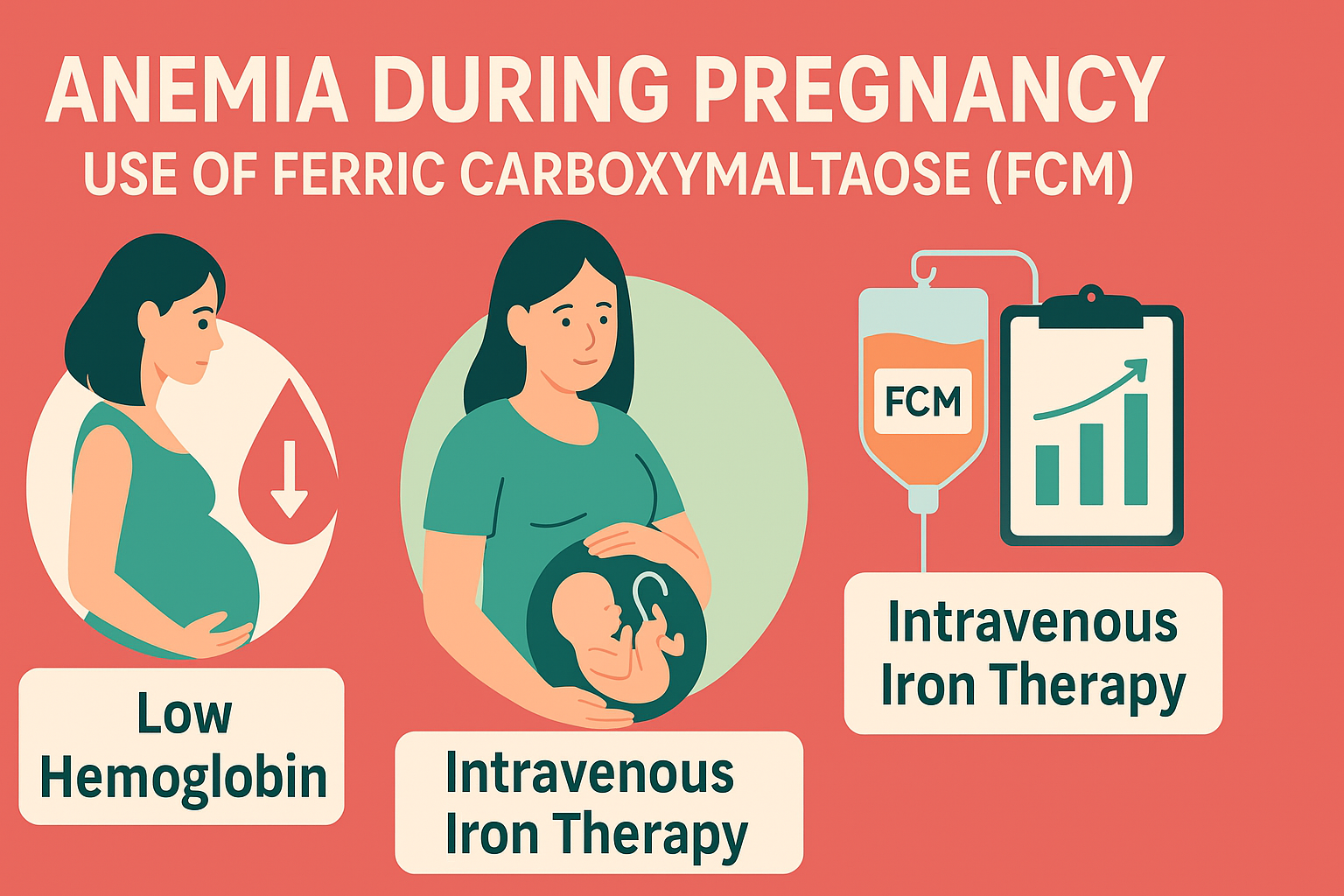
For related maternal health topics, see our article on anemia in pregnancy and modern treatments here: Anemia During Pregnancy: How FCM is Transforming Maternal Health. Linking maternal nutrition and successful breastfeeding is an essential part of comprehensive care.
When to Seek Professional Help
If you experience persistent severe pain, signs of infection (fever, redness, swelling), very low infant weight gain, or concerns about breastfeeding safety (for example, certain medications), contact a healthcare provider or lactation consultant promptly.
Conclusion
The Importance of Breastfeeding for New Mothers cannot be overstated: it delivers unmatched nutrition, strengthens immunity, and deepens the mother–baby bond while offering long-term health benefits for both. Whether you plan to breastfeed exclusively, combine breastfeeding with expressed milk, or use a mixed approach, informed support and timely care make all the difference.
Disclaimer: This article is for educational purposes only. Always consult your healthcare provider for personalized medical advice.
Frequently Asked Questions
Q1: How long should I exclusively breastfeed my baby?
A: Exclusive breastfeeding is recommended for the first six months. Continue breastfeeding with complementary foods for at least two years if possible.
Q2: What if I have a low milk supply?
A: Frequent feeding or pumping, skin-to-skin contact, correct latch, and professional support typically improve supply. Check for underlying medical causes if concerns persist.
Q3: Can I breastfeed if I return to work?
A: Yes. Many mothers continue breastfeeding by expressing milk at work and using safe storage practices.
Q4: Are there medications that prevent breastfeeding?
A: Some medications are not compatible with breastfeeding; always check with your healthcare provider or pharmacist.
Tags
#Breastfeeding #MaternalHealth #NewMothers #InfantNutrition #LactationSupport