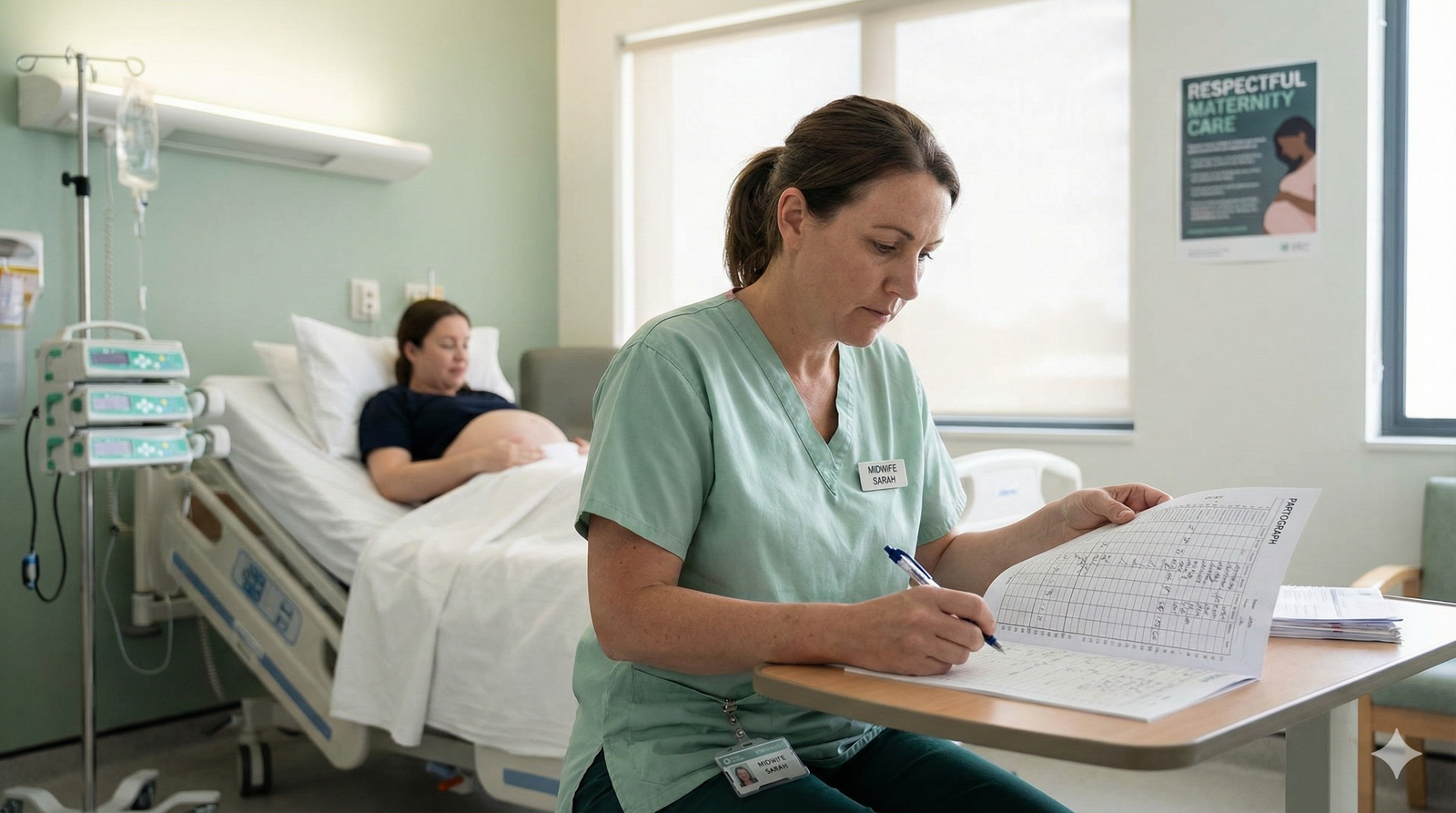
What is a Partograph? Importance in Modern Midwifery Practice
What is a Partograph? Importance in Modern Midwifery Practice (2025 Guide)
The partograph is one of the most powerful, low-cost tools in maternity care. Designed to monitor the progress of labour and assess maternal and fetal wellbeing, it supports early detection of complications and timely intervention. In modern midwifery practice, proper partograph use can significantly reduce the risks associated with prolonged and obstructed labour.
Whether working in a tertiary hospital or a primary health center, midwives rely on the partograph as a structured, visual decision-making guide. In this 2025 SEO-optimized guide, we explore its definition, history, components, interpretation, benefits, and real-world relevance in contemporary maternal healthcare.

What is a Partograph?
A partograph (also known as a partogram) is a graphical recording tool used to monitor labour progress and the condition of the mother and fetus during childbirth. It visually plots cervical dilation against time and includes important maternal and fetal observations.
The concept was originally developed from labour curve research by Dr. Emmanuel Friedman and later standardized by the World Health Organization (WHO) to make it practical for global use, especially in resource-limited settings.
In simple terms, the partograph transforms clinical findings into a clear visual chart that helps midwives recognize abnormal labour patterns early.
Main Components of a Partograph
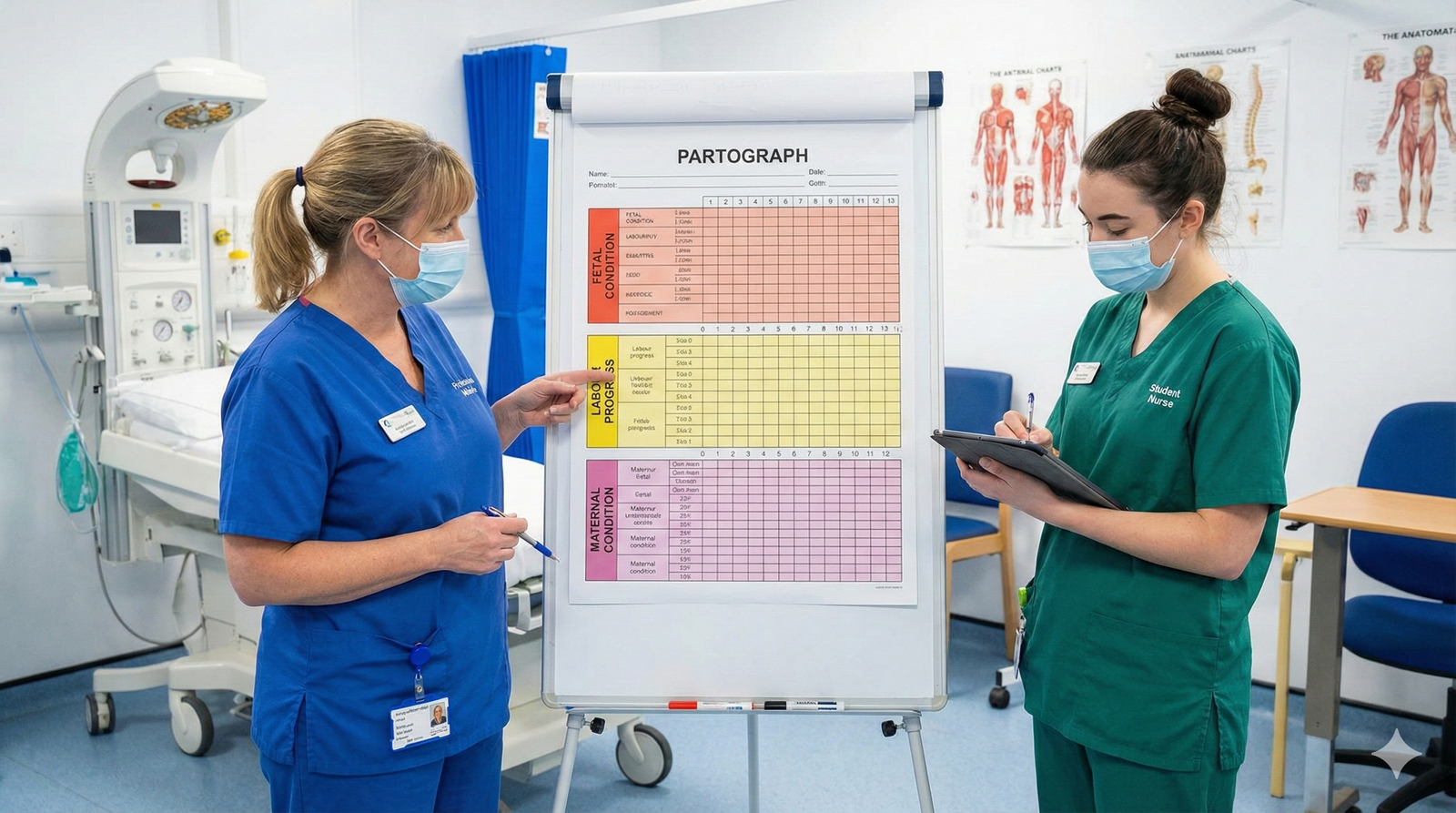
The standard WHO partograph is divided into three essential sections:
1. Fetal Condition Monitoring
- Fetal heart rate (FHR)
- Amniotic fluid status (clear/meconium)
- Moulding of fetal skull bones
2. Progress of Labour
- Cervical dilation plotted against time
- Descent of fetal head
- Frequency and duration of uterine contractions
- Alert line and action line interpretation
3. Maternal Condition
- Pulse rate
- Blood pressure
- Temperature
- Urine output, protein, ketones
Together, these components create a comprehensive picture of labour progress and maternal-fetal wellbeing.

Understanding the Alert Line and Action Line
Two critical reference lines guide decision-making:
- Alert Line: Represents expected cervical dilation (usually 1 cm per hour during active labour).
- Action Line: Placed four hours to the right of the alert line, signaling the need for intervention or referral if crossed.
If labour progress shifts to the right of the alert line, closer monitoring is required. Crossing the action line indicates delayed labour requiring medical evaluation.
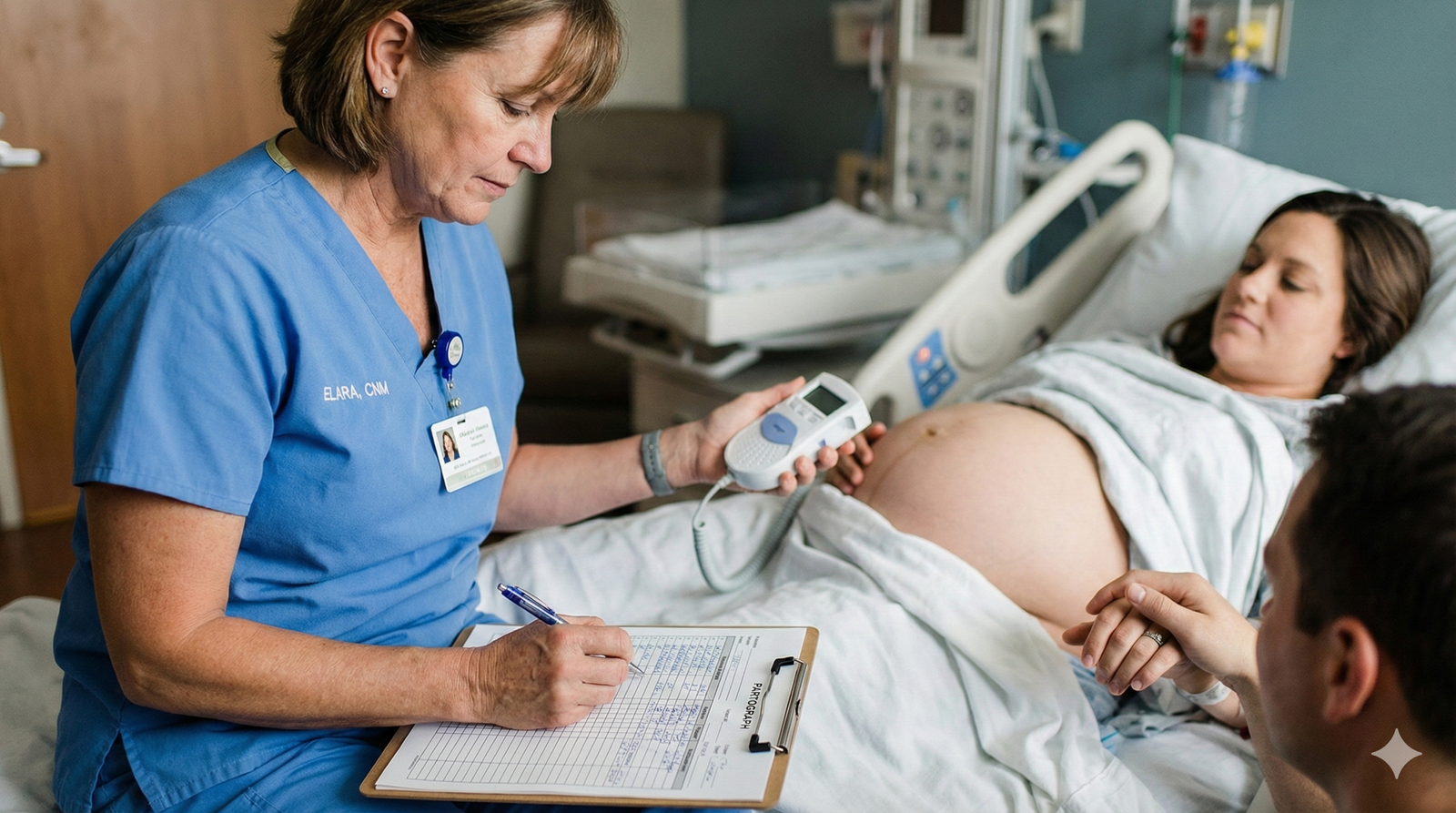
Why is the Partograph Important in Modern Midwifery Practice?
1. Early Detection of Prolonged Labour
The partograph helps identify slow cervical dilation before complications develop. Early detection prevents obstructed labour and uterine rupture.
2. Reduces Maternal and Neonatal Mortality
Consistent use reduces risks of postpartum hemorrhage (PPH), fetal distress, and birth asphyxia by enabling timely intervention.
3. Supports Evidence-Based Decisions
Instead of relying on assumptions, midwives use objective plotted data to guide augmentation, referral, or cesarean decisions.
4. Improves Communication
The completed partograph provides a clear summary for obstetricians and referral centers, ensuring continuity of care.
5. Legal Documentation
It serves as an official clinical record demonstrating appropriate monitoring and accountability.
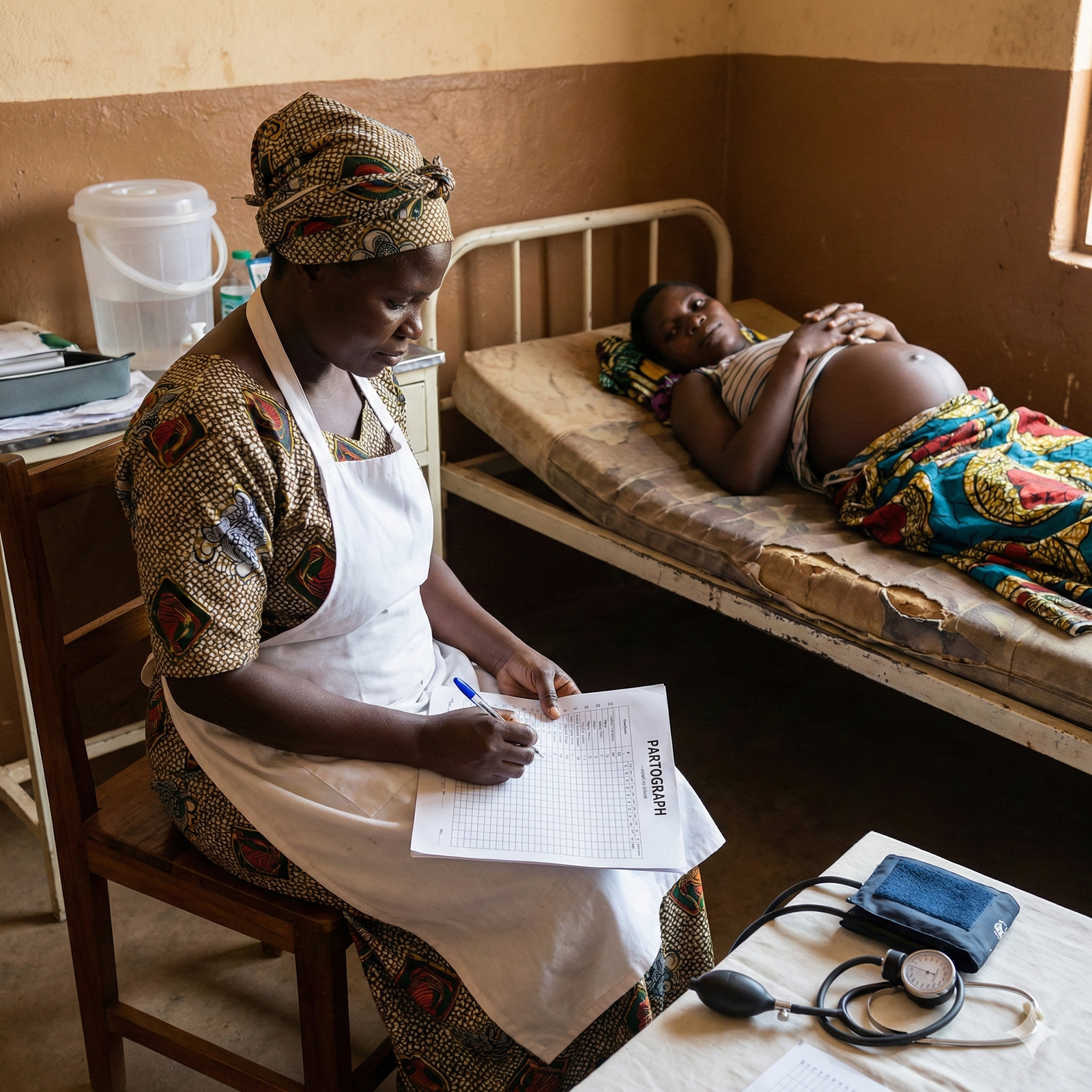
Role of the Partograph in Resource-Limited Settings
In primary health centers and rural maternity units, advanced electronic monitoring may not be available. The partograph requires only basic training, paper documentation, and regular clinical assessment.
Because it is low-cost and highly effective, global health organizations continue to recommend its use as part of safe motherhood strategies.
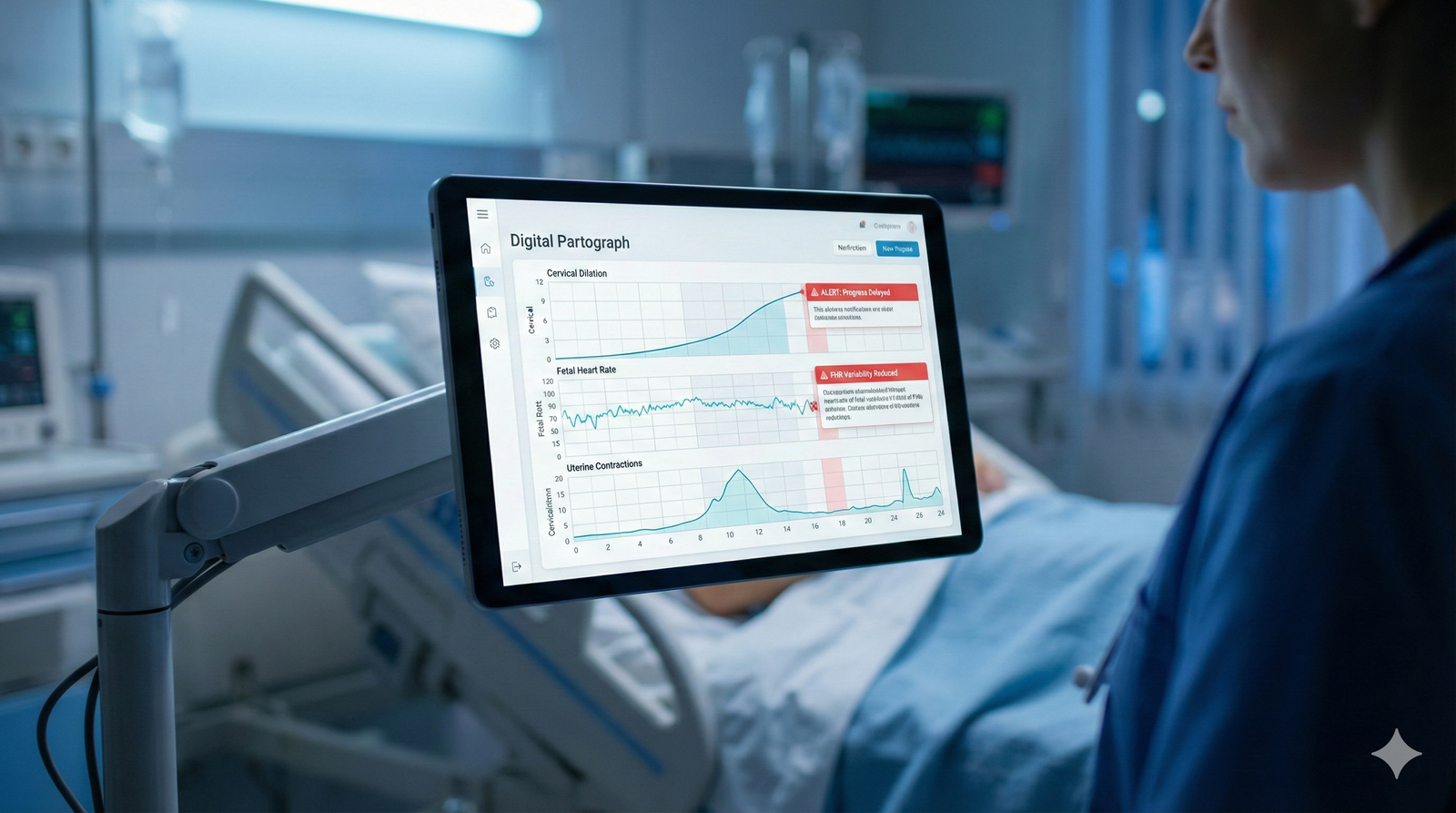
Digital Partograph: The Future of Labour Monitoring
Modern healthcare systems are now adopting electronic partographs. These systems:
- Provide automatic alerts
- Reduce documentation errors
- Integrate with hospital records
However, manual partograph skills remain essential for every midwife, especially in areas without reliable digital infrastructure.
Common Challenges in Partograph Use
- Inadequate training
- Staff shortages
- Retrospective filling instead of real-time documentation
- High patient load
Regular skill updates, supervision, and supportive leadership improve compliance and effectiveness.
Frequently Asked Questions About Partograph
Q1: When should a partograph be started?
A1: It is usually started during the active phase of labour, typically around 4 cm cervical dilation (based on institutional protocol).
Q2: Who uses a partograph?
A2: Midwives, nurses, and obstetricians use it to monitor labour progress.
Q3: Can partograph reduce cesarean sections?
A3: Yes, when used correctly, it prevents unnecessary interventions by distinguishing normal from abnormal labour progression.
Q4: Is partograph mandatory?
A4: In many countries, partograph use is recommended or required in maternity units as part of safe delivery protocols.
Conclusion: A Lifesaving Tool in Modern Midwifery
The partograph remains a cornerstone of safe labour monitoring in 2025. By converting clinical observations into a visual roadmap, it empowers midwives to detect complications early, make evidence-based decisions, and protect maternal and newborn lives.
Whether paper-based or digital, mastering partograph interpretation is an essential competency in modern midwifery practice.