Top Clinical Skills Every Student Midwife Must Master for Confident Practice
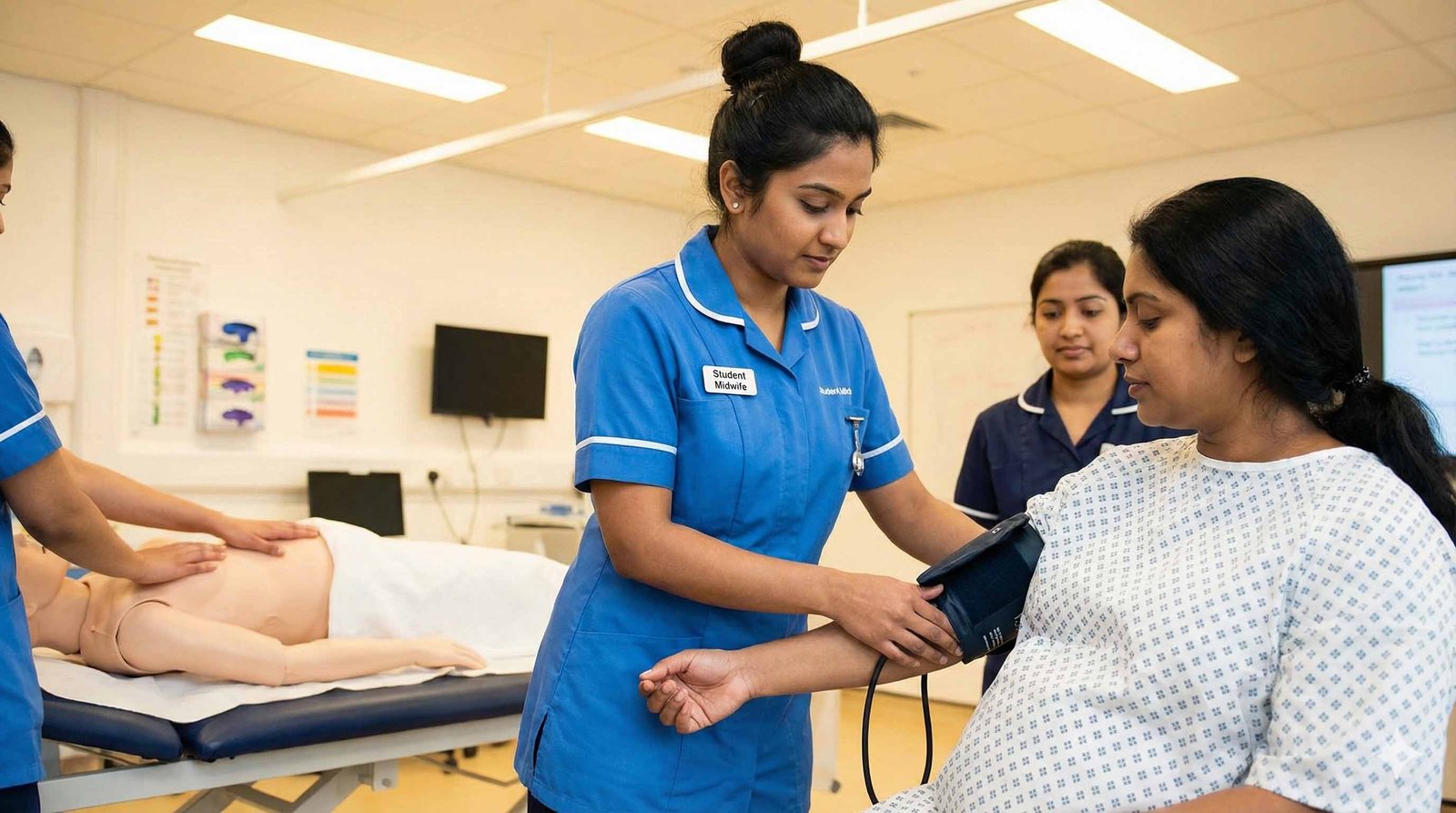
The Top Clinical Skills Every Student Midwife Must Master form the foundation of safe, respectful, and high-quality maternal care. As midwifery training becomes more competency-based, student midwives must strengthen both practical skills and communication abilities to deliver safe antenatal, intrapartum, postpartum, and newborn care.
This comprehensive 2025 guide explains the 10 most essential clinical skills, complete with explanations, examples, and real-world applications to help student midwives build confidence in practice.
1. Antenatal Assessment: The Foundation of Safe Pregnancy Care
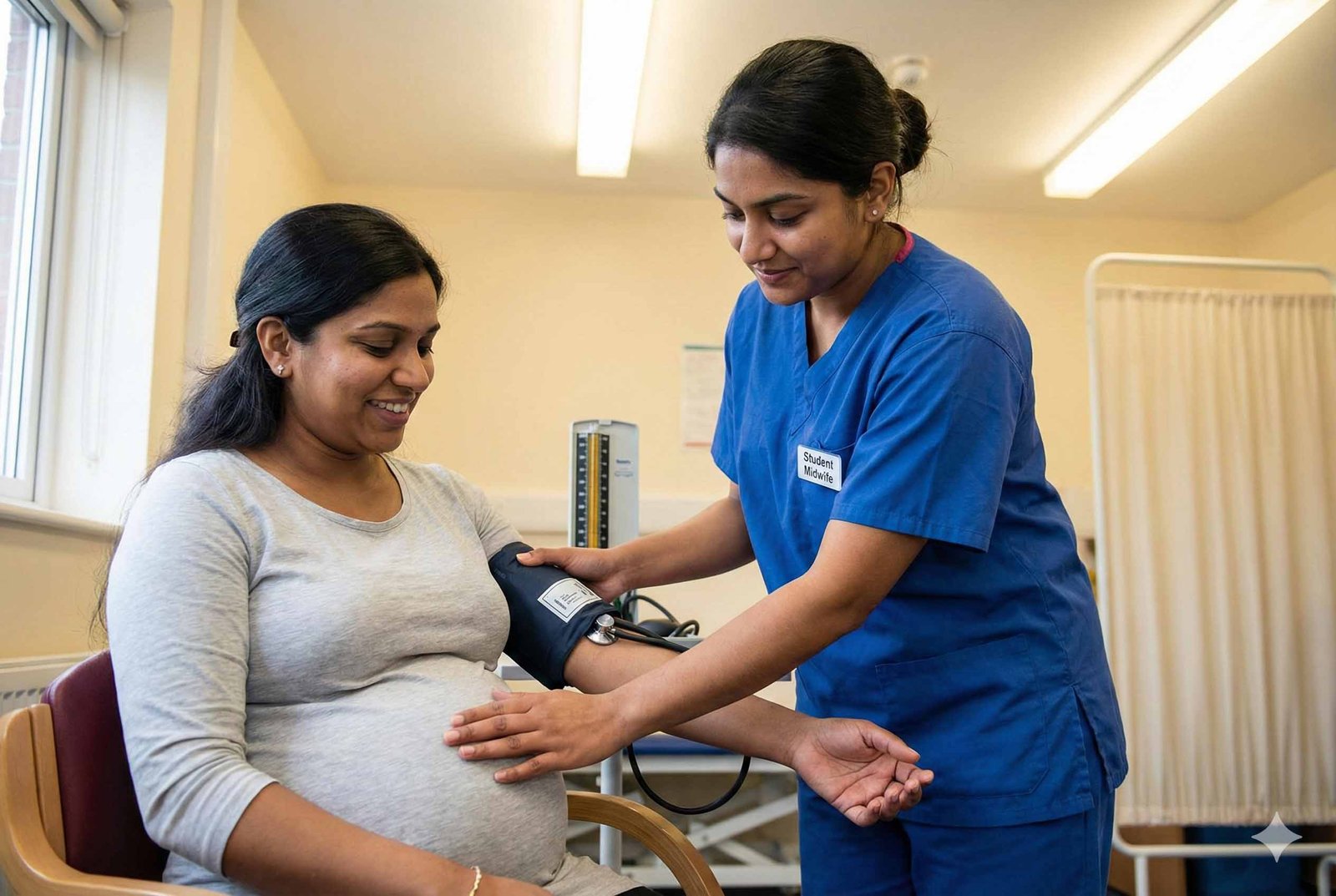
The first and most important skill among the Top Clinical Skills Every Student Midwife Must Master is accurate antenatal assessment. It helps midwives identify risks early and support a healthy pregnancy.
- Maternal history-taking
- BP monitoring and edema assessment
- Fundal height measurement
- Screening for high-risk conditions
This is the first step in building trust and ensuring safe motherhood.

2. Maternal Abdominal Examination & Leopold’s Maneuvers
Knowing how to determine fetal lie, presentation, and position is vital for safe delivery preparation.
Why this skill matters:
- Improves labor prediction
- Supports birth preparedness
- Reduces unexpected complications

3. Monitoring Labour Progress Using a Partograph
Effective partograph use is one of the Top Clinical Skills Every Student Midwife Must Master. It allows early detection of complications and supports timely referral.
- Cervical dilation plotting
- Fetal heart monitoring
- Maternal vitals tracking
- Identifying deviations early
4. Conducting a Normal Vaginal Delivery
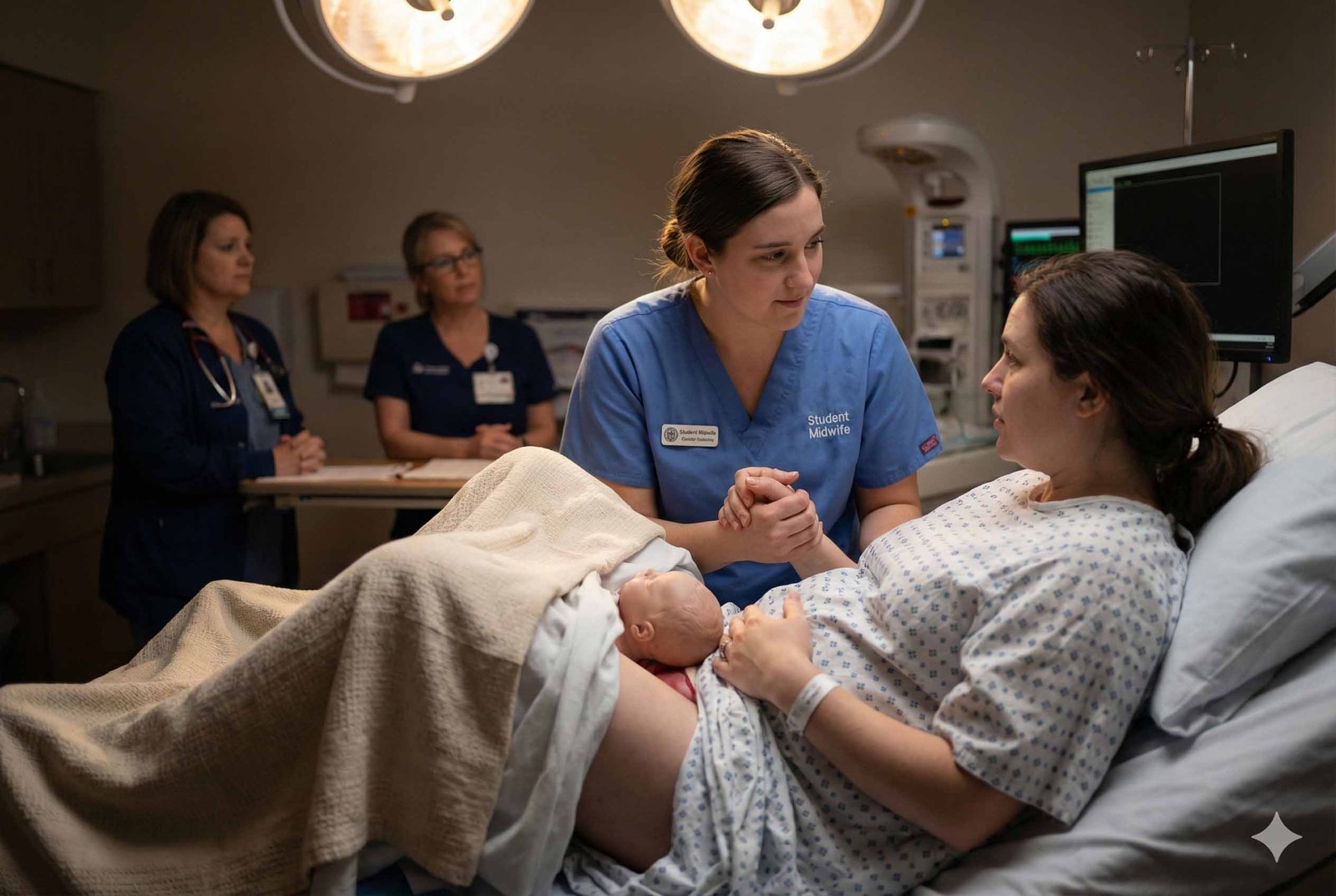
Hands-on birth assistance lies at the heart of midwifery. Students must practice under supervision until confident.
- Supporting women through contractions
- Controlled delivery of the fetal head
- Shoulder and body delivery
- Immediate newborn care
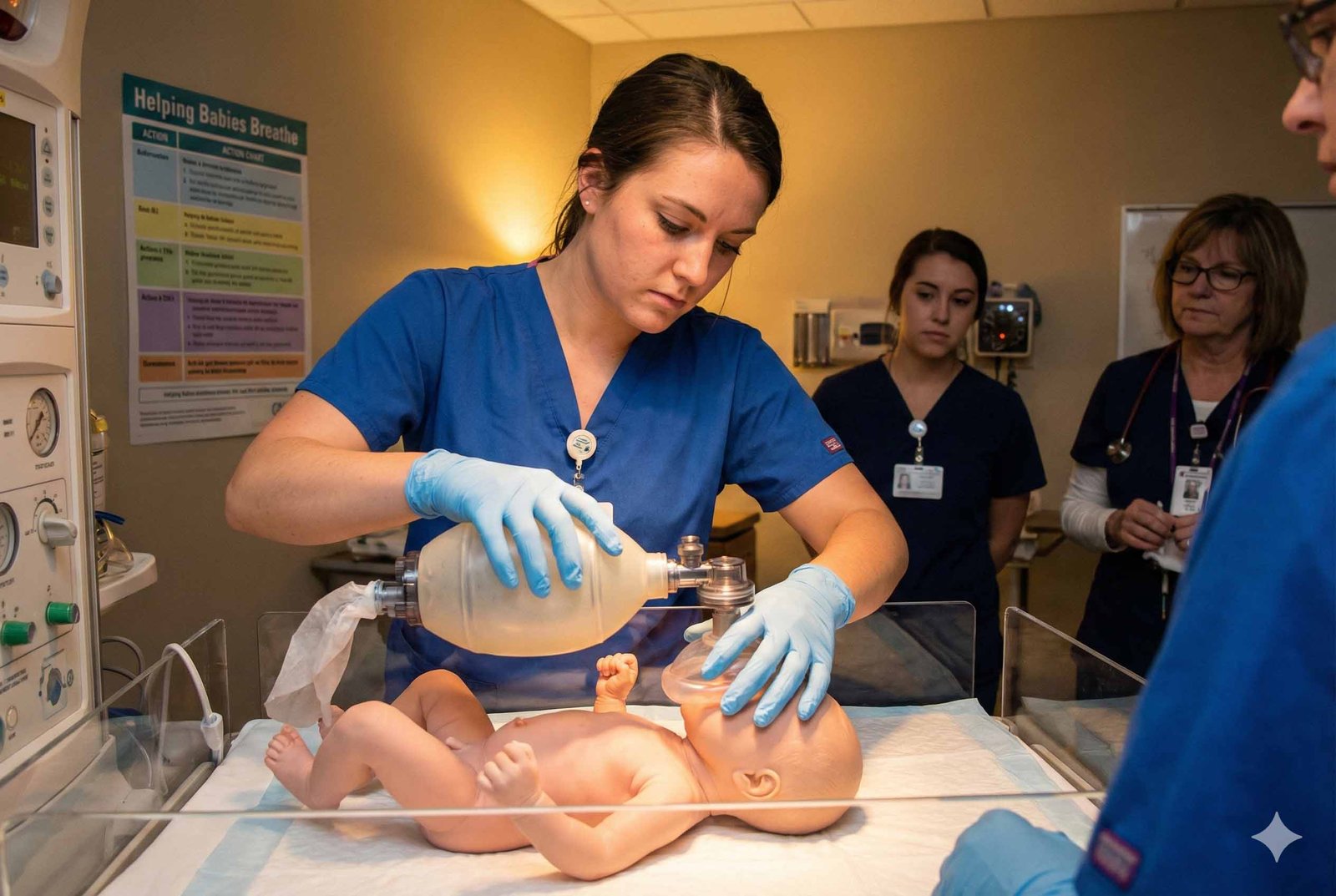
5. Newborn Resuscitation (HBB Protocol)
Newborn resuscitation can prevent most deaths caused by birth asphyxia. This is a lifesaving skill every midwife must master.
- Maintaining warmth and airway
- Bag-and-mask ventilation
- Initiating steps within the “Golden Minute”

6. Essential Newborn Care & Breastfeeding Support
Immediate newborn care strengthens survival and long-term development.
- Skin-to-skin contact
- Delayed cord clamping
- Early initiation of breastfeeding
- Latch & positioning guidance
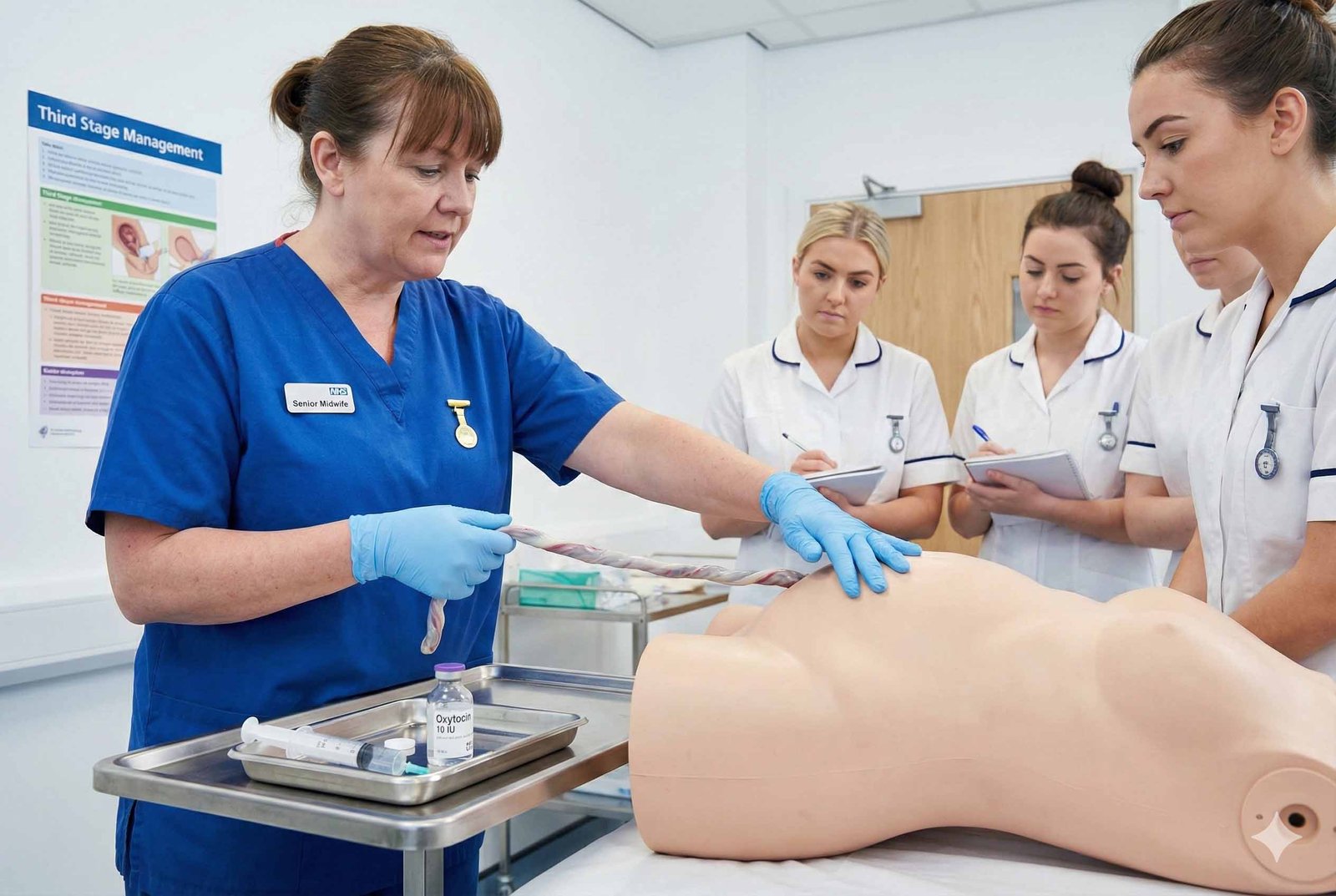
7. Active Management of the Third Stage of Labour (AMTSL)
AMTSL prevents postpartum hemorrhage—the leading cause of maternal deaths.
- Uterotonic administration
- Controlled cord traction
- Uterine massage
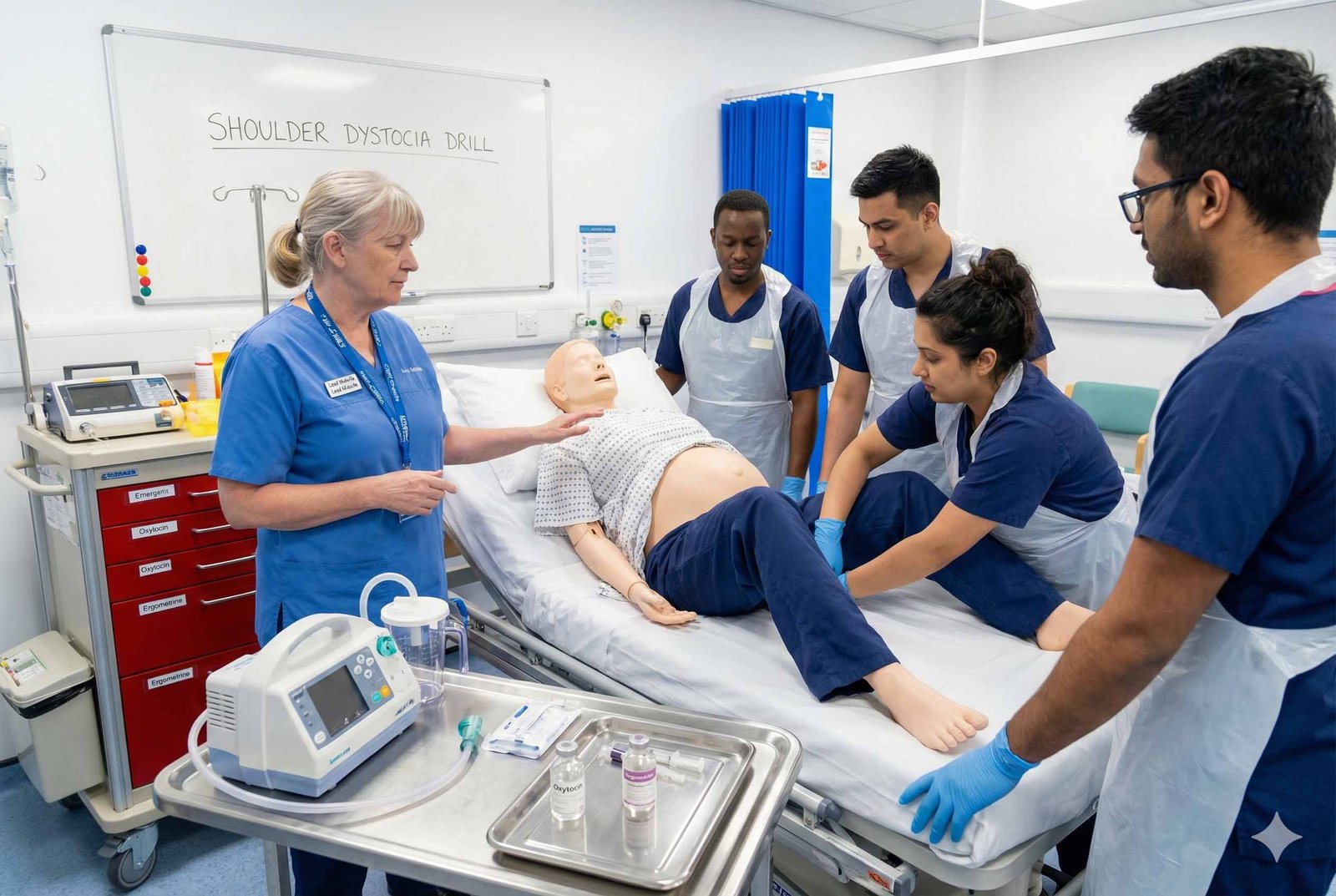
8. Identifying & Managing Obstetric Emergencies
One of the most critical Top Clinical Skills Every Student Midwife Must Master is early recognition of emergencies.
- Pre-eclampsia & eclampsia
- Shoulder dystocia
- Obstructed labour
- PPH
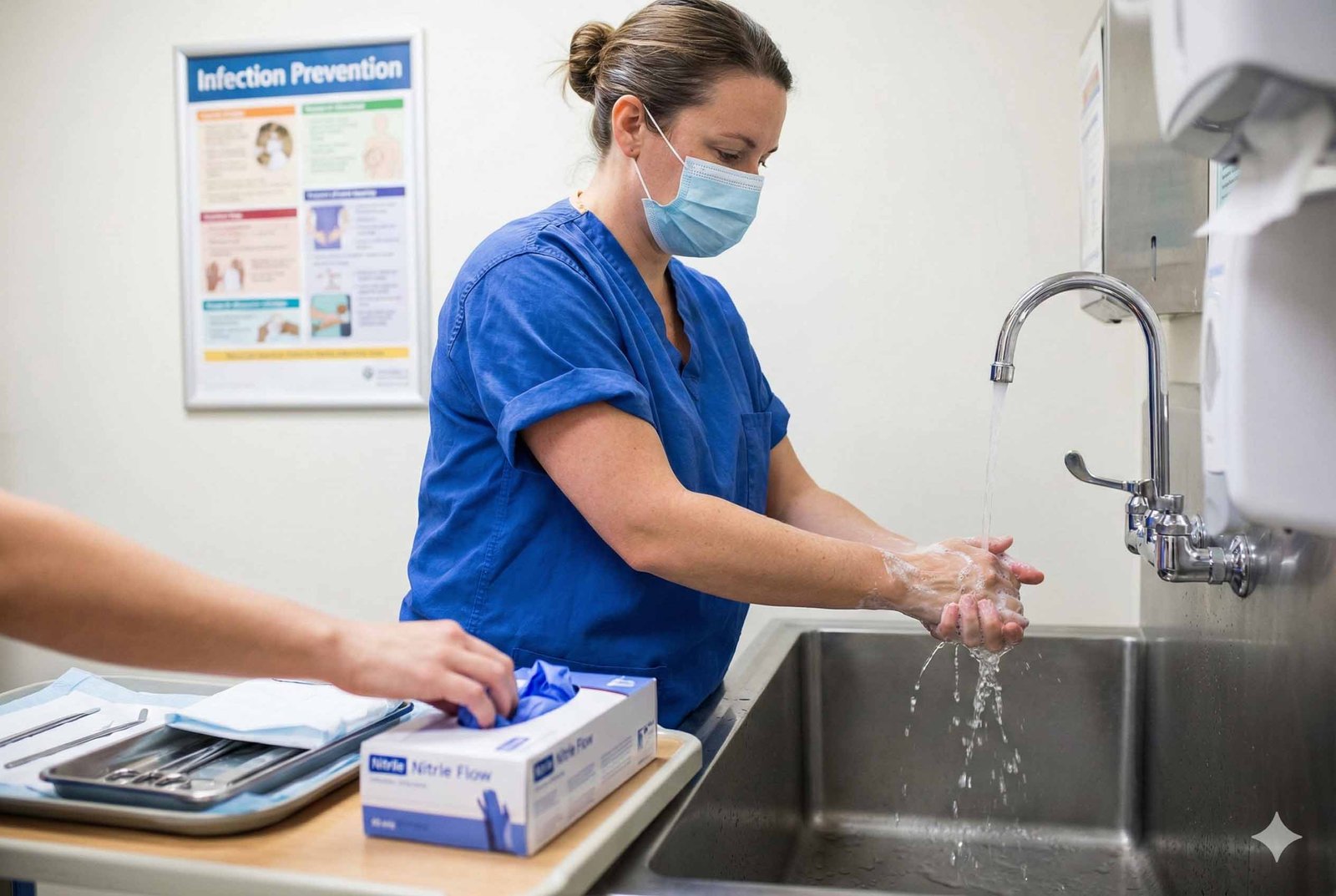
9. Infection Prevention & Control (IPC)
IPC protects mothers, babies, and healthcare teams from preventable infections.
- Hand hygiene
- PPE use
- Aseptic techniques
- Biomedical waste management

10. Communication, Counseling & Cultural Sensitivity
Midwifery is not only clinical — it is emotional, cultural, and deeply personal.
- Compassionate communication
- Culturally respectful care
- Birth preparedness counselling
- Privacy & confidentiality
Frequently Asked Questions
Q1: What are the most essential clinical skills for student midwives?
A1: Antenatal assessment, partograph use, newborn resuscitation, AMTSL, and delivery assistance.
Q2: How can student midwives improve clinical competence?
A2: By practising in skills labs, attending clinical postings, observing experienced midwives, and seeking continuous feedback.
Q3: Why is newborn resuscitation essential?
A3: It can reduce neonatal mortality by up to 50% when performed within the Golden Minute.
Q4: How many deliveries should students conduct?
A4: Requirements vary, but most programs require assisting and conducting multiple supervised deliveries.
Join our Midwifery Learning Hub
Get access to skill checklists, OSCE practice guides, and competency-based learning tools for student midwives.
- Newborn resuscitation checklist
- Antenatal assessment flipchart

Conclusion
The Top Clinical Skills Every Student Midwife Must Master form the backbone of safe maternal and newborn care. With consistent practice, reflective learning, and supportive supervision, student midwives can evolve into confident, highly competent professionals who transform maternal health outcomes.
Master these skills, practise them with compassion, and carry forward the mission of respectful maternity care.