Community Awareness: Promoting Safe Motherhood Practices for Better Health
Community Awareness: Promoting Safe Motherhood Practices is essential for reducing maternal risks, increasing access to timely care, and ensuring healthier outcomes for mothers and newborns. This practical guide explains why community engagement matters, offers ten evidence-informed strategies, and provides ready-to-use tips and resource links for health workers, NGOs and community leaders.
Compact, actionable, and written to be used in community meetings, training modules, and online campaigns — read on for checklists, outreach ideas, and FAQs to help your program make measurable impact.
Why community awareness matters for safe motherhood
When communities are informed, maternal and newborn survival improves. Community Awareness: Promoting Safe Motherhood Practices reduces delays in recognizing danger signs, increases use of antenatal and postnatal care, and strengthens support networks that enable timely referrals to skilled care.
- Empowers families to plan births and arrange transport.
- Increases demand for skilled birth attendance and institutional deliveries.
- Reduces harmful myths and promotes evidence-based newborn care practices.
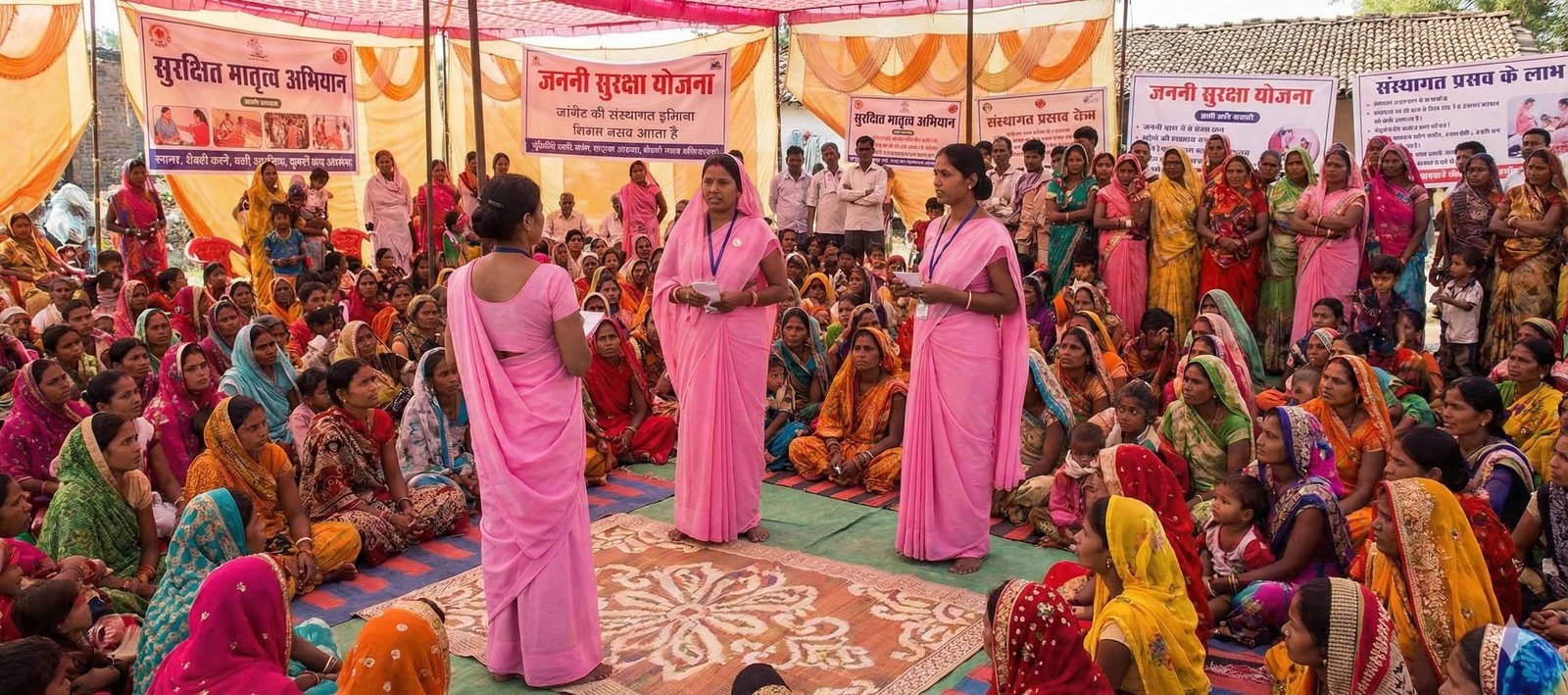
10 Practical Strategies: Community Awareness: Promoting Safe Motherhood Practices
1. Strengthen antenatal care messaging
Promote early registration and the schedule of ANC visits. Use simple checklists that explain why iron–folic acid, tetanus immunization and regular blood pressure and urine checks matter. Community volunteers and ASHAs can distribute laminated ANC cards and host short counselling sessions at home visits.
2. Involve men and family decision-makers
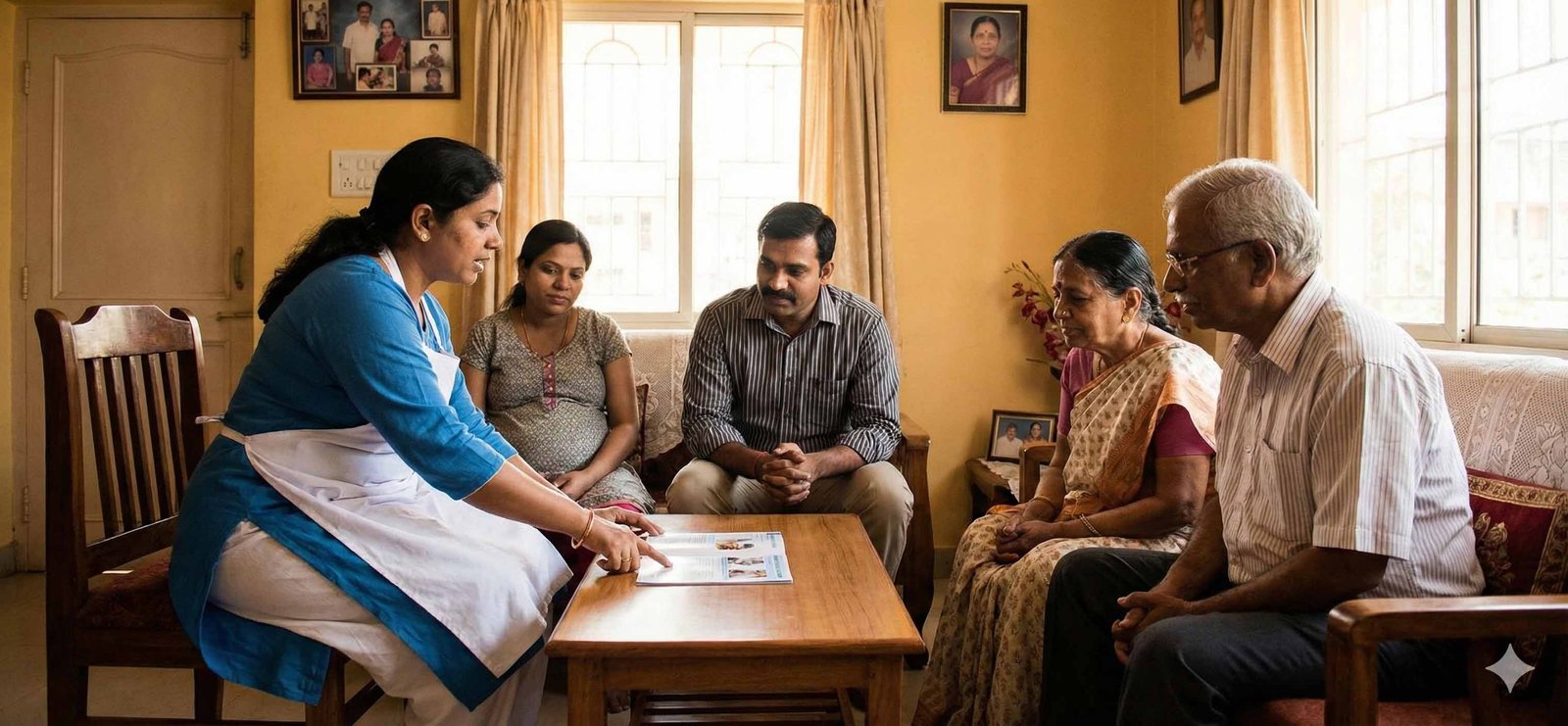
Include husbands and elders in awareness meetings to build shared responsibility for transport planning, emergency funds and birth preparedness. Tailored sessions that show the financial and emotional benefits of skilled care increase household support for facility births.
3. Build women’s health literacy
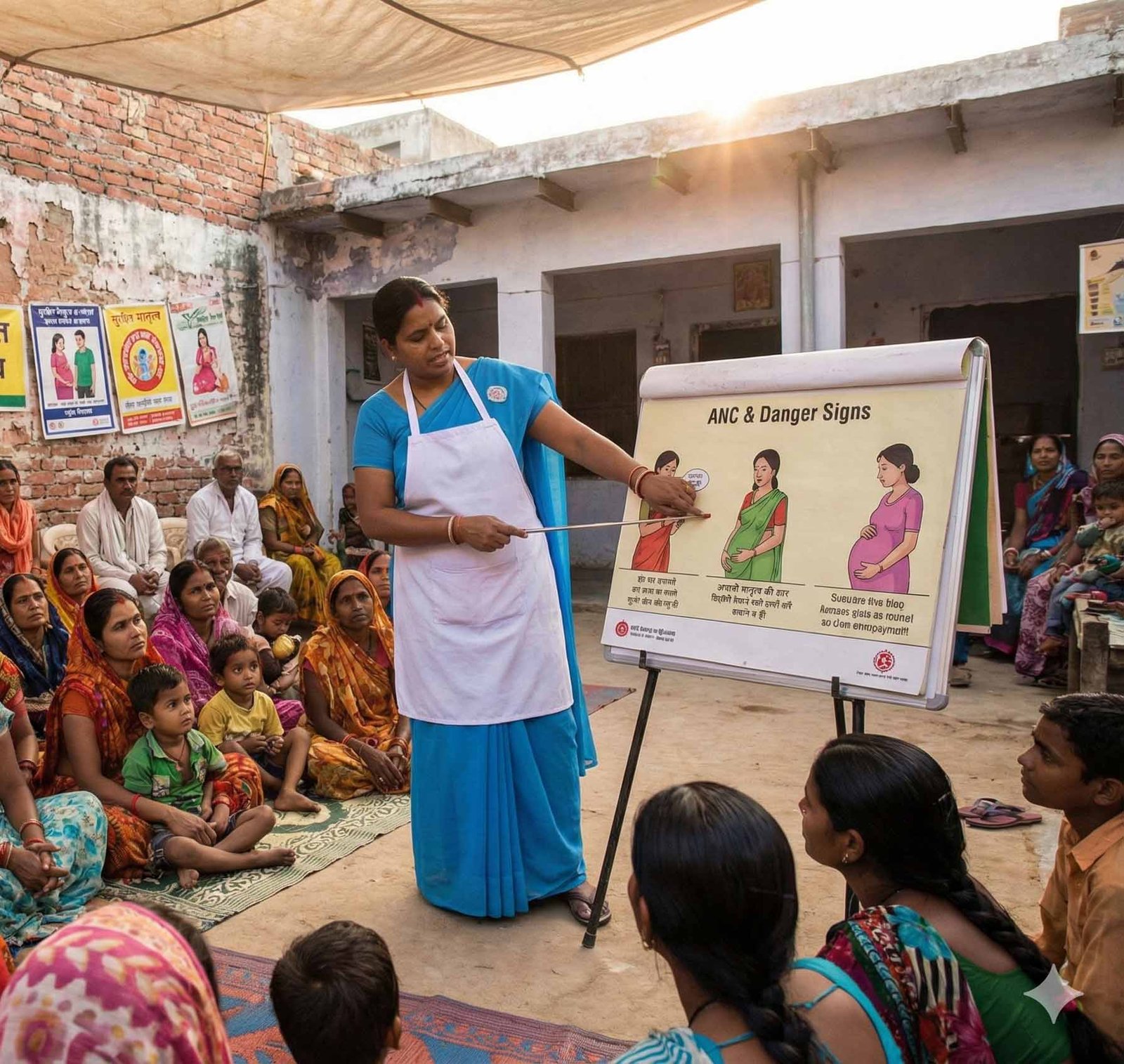
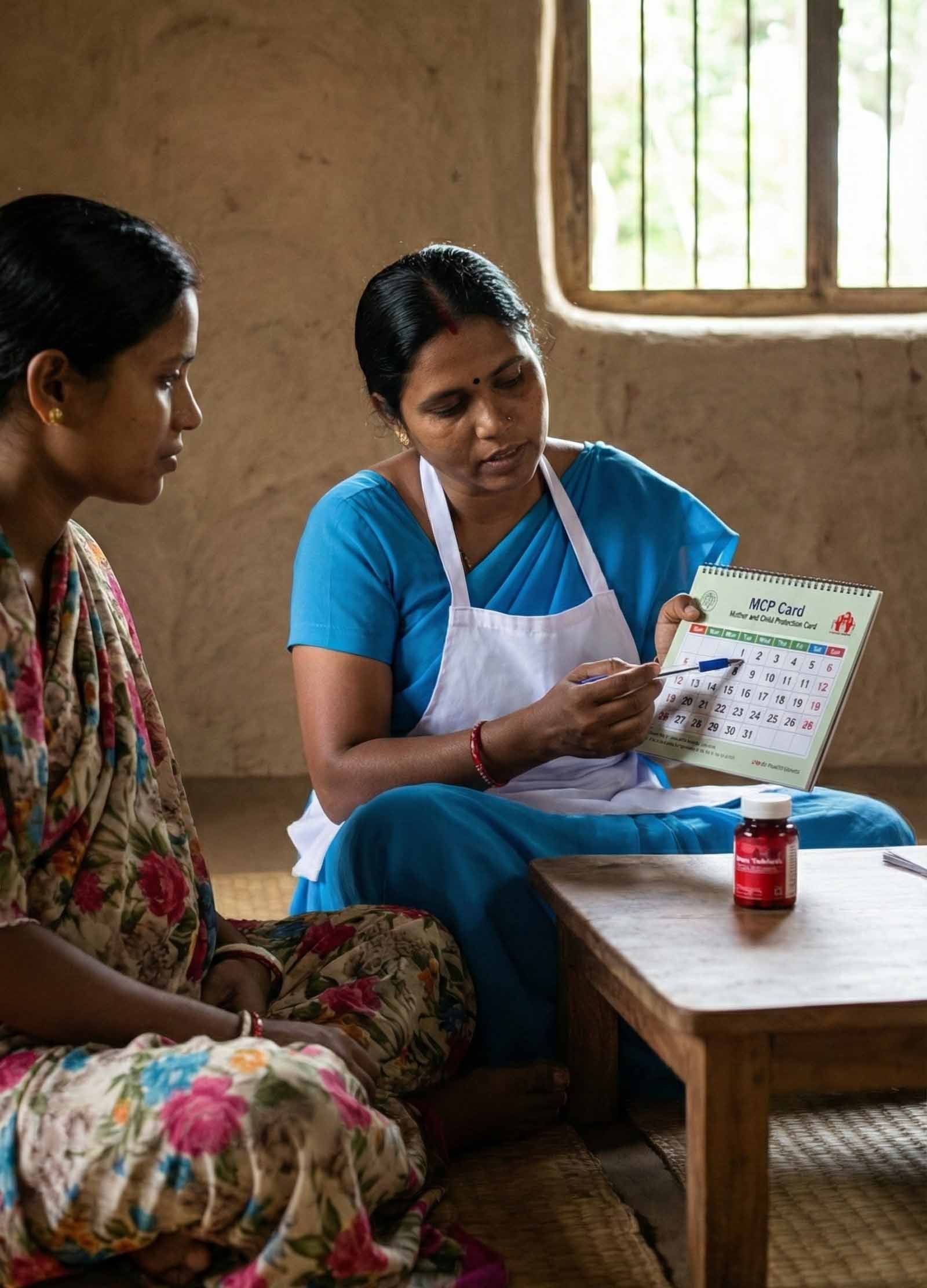
Teach women to read and use their Mother & Child Protection (MCP)/MCH card, recognize danger signs (severe bleeding, convulsions, severe headache, reduced fetal movements) and know when to seek care. Use role-play and pictorial flipcharts for low-literacy groups.
4. Promote skilled birth attendance and institutional delivery
Explain the risks of unattended deliveries and the benefits of deliveries at facilities with trained staff. Highlight available financial schemes, transport options, and what to expect at the health centre to reduce fear and hesitation.
5. Emphasize postpartum and newborn care
Stress the critical first 48–72 hours after birth for both mother and baby. Promote early and exclusive breastfeeding, kangaroo mother care for low-birth-weight infants, clean cord care, and awareness of postpartum depression signs.
6. Use community media and digital tools
Combine traditional channels—loudspeakers, village meetings, puppet shows—with digital methods like WhatsApp voice notes, short video reels, and IVR messages. Short, locally produced messages are more relatable and shareable.
7. Organize health camps and Safe Motherhood weeks
Routine outreach camps provide screening, ANC checkups, anemia screening, and counselling. Safe Motherhood weeks concentrate messaging, create peer support groups, and often produce immediate increases in ANC attendance and institutional deliveries.
8. Strengthen local support systems
Develop emergency transport plans, community funds or voucher systems, and mother-to-mother peer groups. Community emergency committees reduce delay in decision-making and speed up referrals.
9. Address myths and cultural barriers respectfully
Identify common local beliefs that hinder healthy practices and address them through trusted community leaders and health workers. Replace fear-based messages with positive, practical alternatives grounded in local norms.
10. Link communities to government schemes and services
Ensure families know how to access schemes like JSY/JSSK, PMSMA and local nutritional programmes. Practical demonstrations—how to complete forms, whom to call—reduce administrative barriers to care.
Quick Safe Motherhood Tips for Households
- Start ANC early and attend the recommended checkups.
- Keep a birth kit and emergency contacts ready.
- Encourage balanced nutrition and rest during pregnancy.
- Monitor fetal movements and report concerns immediately.
- Support early breastfeeding and postpartum care for the mother.
Role of Midwives and Frontline Workers
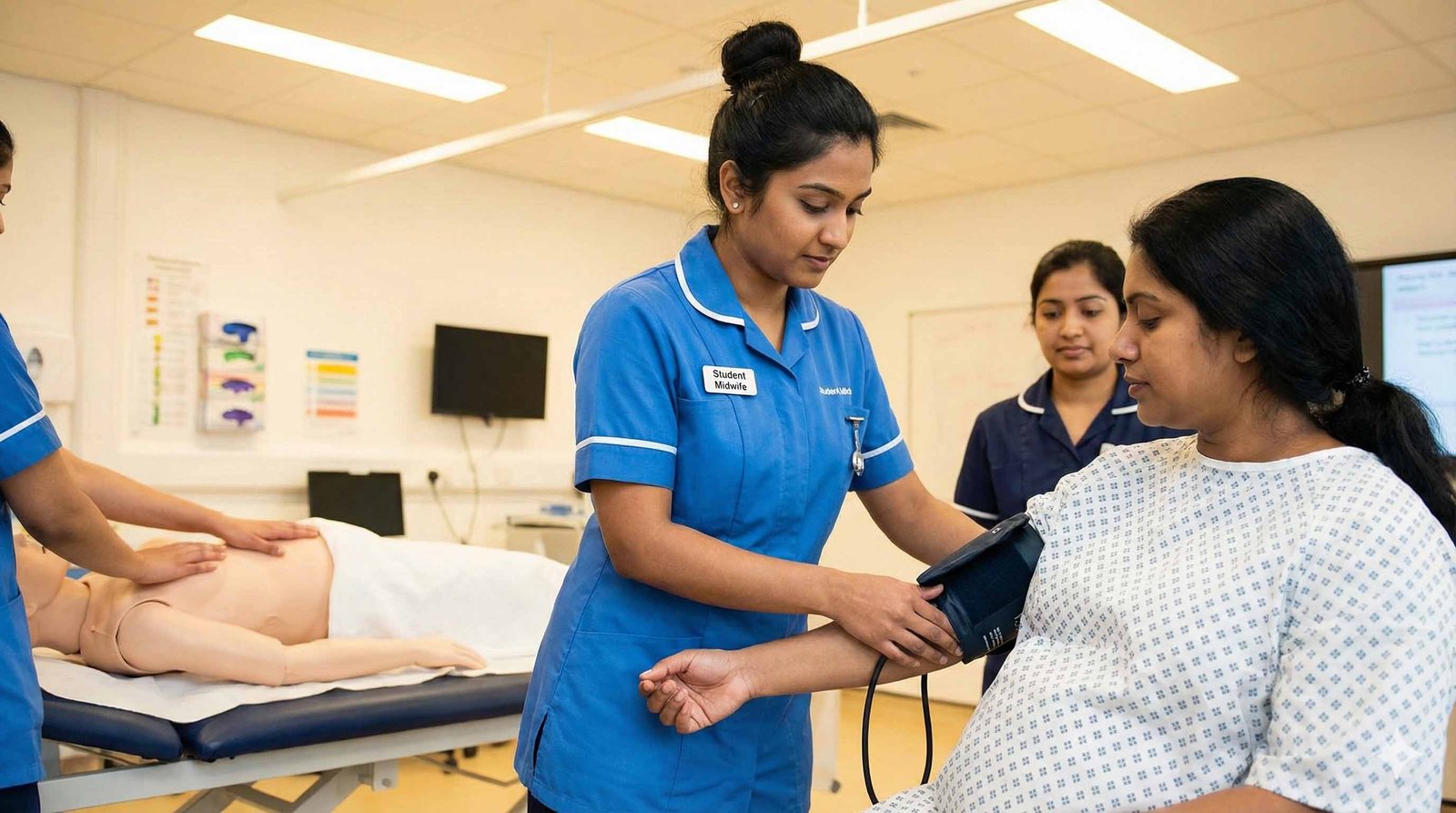
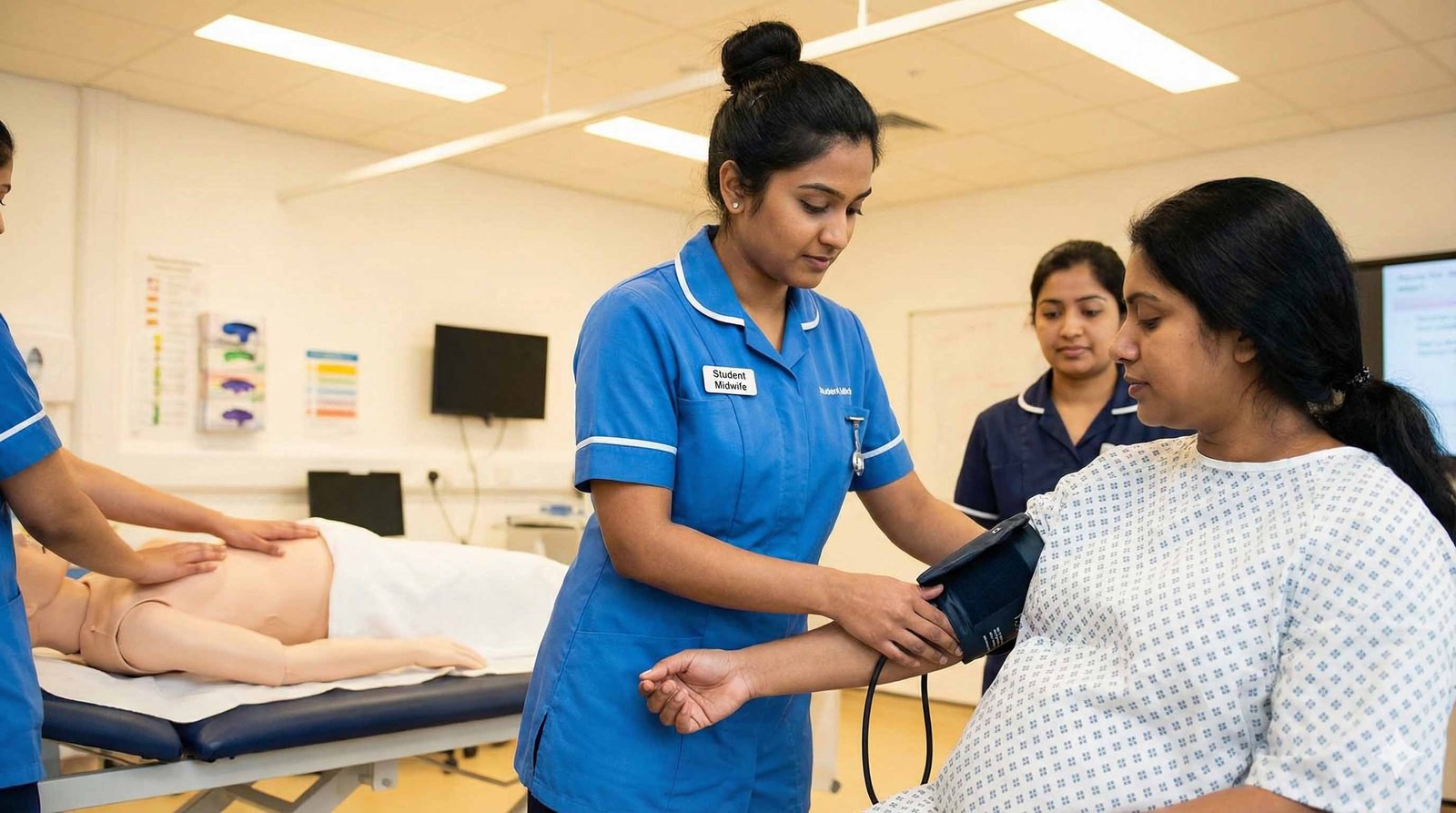
Midwives, ANMs and ASHAs are central to Community Awareness: Promoting Safe Motherhood Practices. They provide door-to-door counselling, identify high-risk pregnancies, support skilled deliveries and help families access entitlements. Investing in their training and respectful working conditions multiplies community impact.
Measuring Impact: Simple M&E Ideas
Track metrics that matter to communities: ANC registration rate, institutional delivery percentage, number of emergency referrals, and postnatal follow-up within 48 hours. Use simple registers or WhatsApp forms for rapid, low-cost monitoring.
- Monthly ANC registration tally
- Number of births at facility vs home
- Count of community education sessions and attendance
Frequently Asked Questions
Q1: What is community awareness in safe motherhood?
A1: It is educational outreach that informs families and communities about healthy pregnancy practices, danger signs, birth preparedness, and how to access skilled care.
Q2: How can communities support pregnant women?
A2: Through emotional support, transport planning, financial preparation, attending ANC with them, and ensuring timely referrals to health facilities when needed.
Q3: Which danger signs should trigger immediate referral?
A3: Severe bleeding, convulsions, loss of consciousness, severe abdominal pain, reduced fetal movements, and high fever with chills.
Q4: How do I start a community safe motherhood program?
A4: Begin with a needs assessment, recruit local volunteers, plan simple messages, link to nearby health facilities and government schemes, and start with outreach sessions and home visits.
Q5: What are the most effective communication channels?
A5: Trusted local leaders, ASHA visits, mother groups, WhatsApp voice messages, community events and local radio are among the most effective channels.
Join our community resources
Sign up for printable checklists, community session templates and mentoring directories to help you run a successful safe motherhood program.
- ANC session flipchart
- Birth preparedness checklist

Conclusion
Community engagement is a powerful, low-cost strategy to improve maternal and newborn outcomes. Community Awareness: Promoting Safe Motherhood Practices works when messages are simple, culturally sensitive, repeated, and backed by reliable services. Start small, measure what matters, and scale interventions that show results.
Use the tips and templates above to design outreach that fits your local context — and remember, an informed community is a safer one.