Midwifery Practitioner in India: Everything You Need to Know About Nurse Practitioner in Midwifery and Nurse Practitioner in Midwifery Educator
India is rapidly building a professional midwifery workforce to improve maternal and newborn care. The Nurse Practitioner in Midwifery (NPM) prepares clinical midwives, while the Nurse Practitioner in Midwifery Educator (NPME) prepares the educators who train them. This guide explains both programmes in plain language — who can apply, what the courses involve, where graduates work, and why these roles matter.
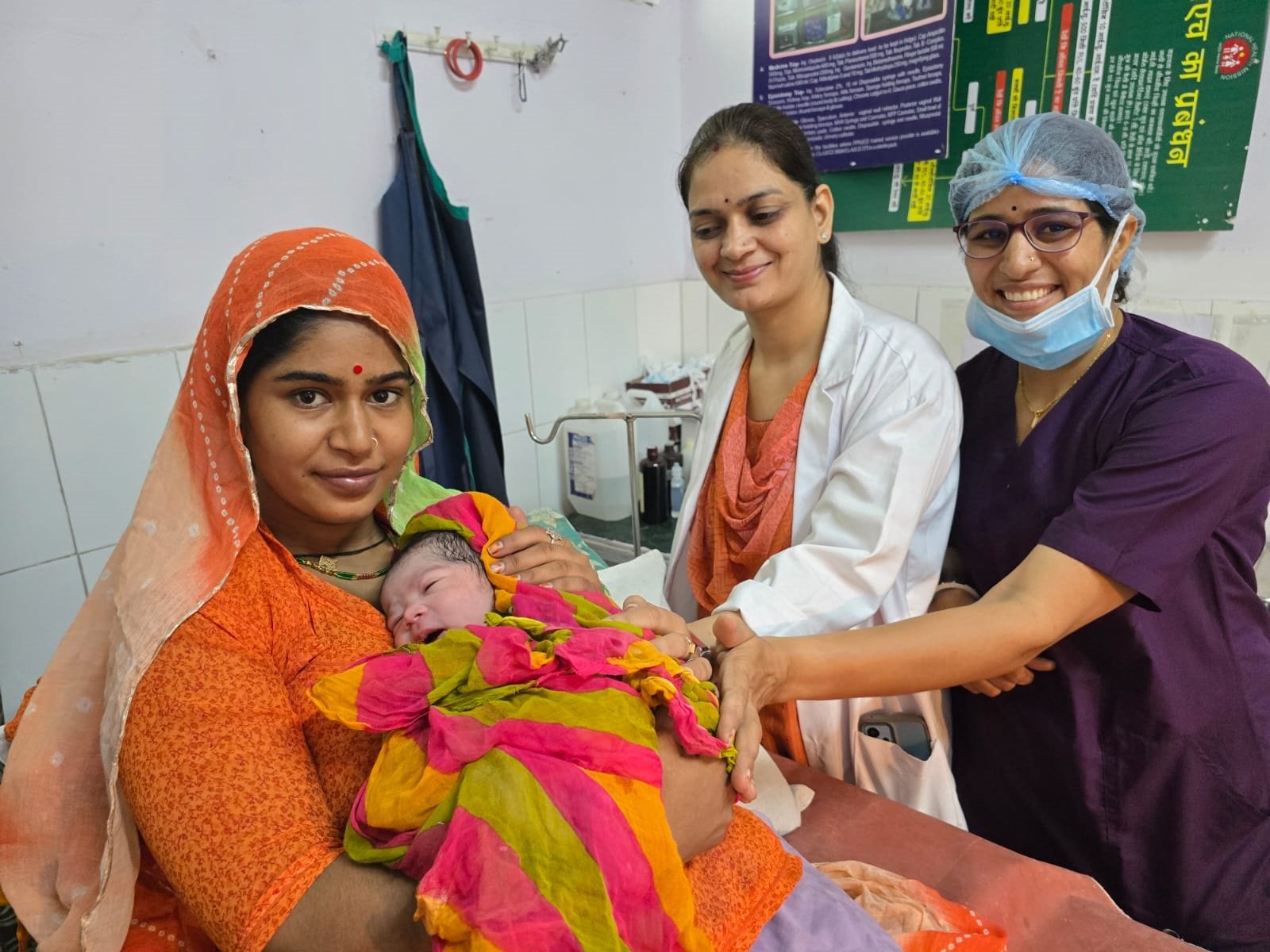
Why NPM and NPME matter
These programmes create a specialised midwifery workforce focused on safe, respectful, woman-centred care. Midwife-led care improves birth experiences, supports normal physiological birth, and helps reduce unnecessary interventions.
- Build clinical expertise for normal pregnancy, labour and postpartum care.
- Train educators to scale high-quality midwifery programmes.
- Align India with global midwifery standards and improve outcomes.
Programme snapshot
NPM — Nurse Practitioner in Midwifery
Duration: 12 months residential training + 6 months residential internship (18 months total).
Focus: Clinical midwifery practice in Midwifery-Led Care Units (MLCUs).
NPME — Nurse Practitioner in Midwifery Educator
Duration: 6 months residential training + 12 months structured mentorship (18 months total).
Focus: Teaching, mentorship, curriculum delivery and assessment.
Eligibility & selection
Who can apply for NPM?
- Registered Nurse (RN) and Registered Midwife (RM) with a State Nursing Council.
- GNM (General Nursing & Midwifery) holders: eligible where institute policy allows, provided RN & RM registration and required maternity experience are met.
- B.Sc Nursing or Post Basic B.Sc Nursing commonly accepted alongside GNM in many programmes.
- Selection usually includes written test, OSCE and interview or motivation assessment.
Who can apply for NPME?
- Experienced midwives, often selected from NPM graduates or senior clinical midwives.
- Minimum 2 years of clinical experience in the labour room is commonly required, plus teaching or mentorship experience/aptitude.
- Selection typically reviews clinical experience, references and includes an interview or demonstration of teaching skills.
What you learn (examples)
NPM: Physiology of pregnancy, normal labour management, newborn care, breastfeeding support, recognition of complications and referral, respectful maternity care, record keeping and basic emergency skills.
NPME: Adult learning methods, assessment (OSCEs), supervision and mentorship, curriculum implementation, quality assurance and leadership.
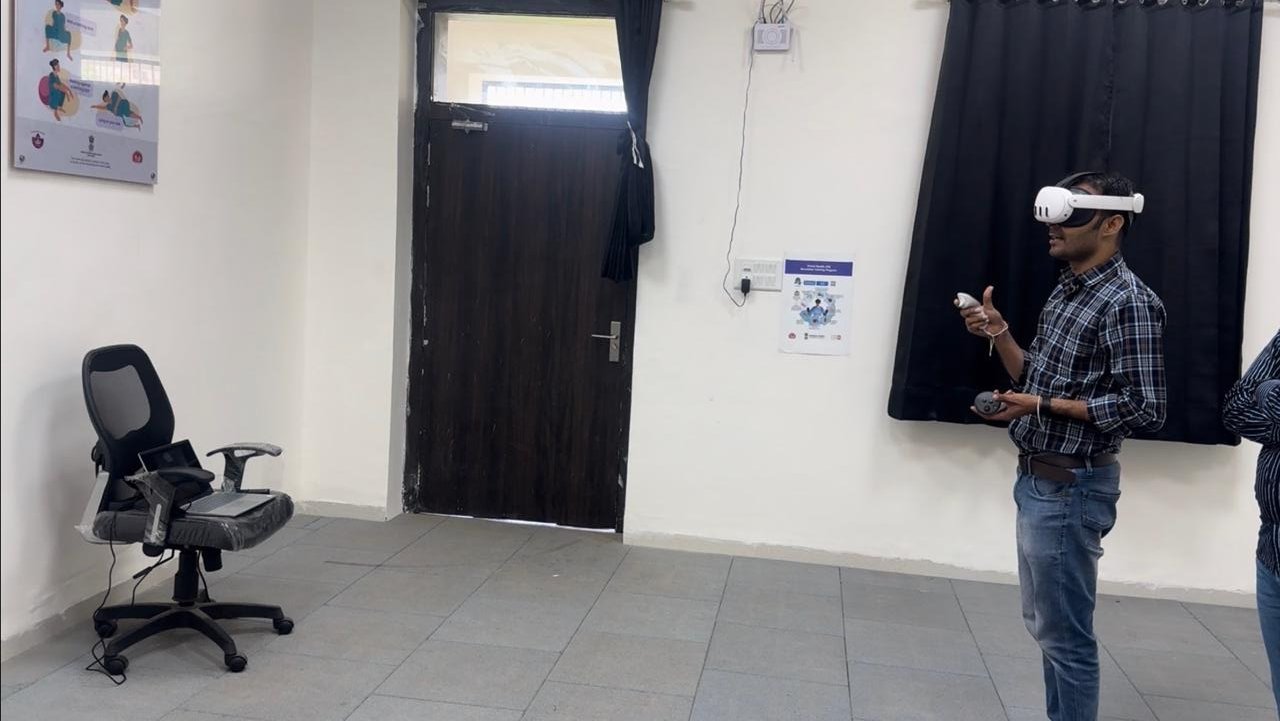
NPM vs NPME — at a glance
| Feature | NPM (Practitioner) | NPME (Educator) |
|---|---|---|
| Primary focus | Clinical care for pregnancy, labour & postpartum | Teaching, mentorship & assessment |
| Duration | 12 months training + 6 months internship | 6 months training + 12 months mentorship |
| Eligibility highlights | RN & RM (GNM accepted where allowed); maternity experience preferred | Experienced midwife/NPM; minimum 2 years labour-room clinical experience + teaching aptitude |
| Where they work | MLCUs, hospitals, birthing centres | Training institutes, skills labs, clinical mentorship sites |
People Also Ask
How long is the NPM programme?
18 months in total: 12 months residential training followed by 6 months residential internship in a clinical midwifery setting.
Can GNM holders apply?
Yes — many institutes accept GNM holders provided the applicant holds RN & RM registration and meets the required maternity experience. Always check the institute’s eligibility notice.
What experience does NPME require?
NPME commonly requires at least 2 years’ labour-room clinical experience plus demonstrated teaching or mentorship ability.
Practical tips for applicants
- Confirm registration: Ensure RN & RM registrations are active before applying.
- Document clinical work: Keep proof of labour room shifts, duties and referrals — these support NPME selection.
- Practice OSCEs: Run through normal birth scenarios and newborn care checklists.
- Plan time for residency: Residential training and internship/mentorship require time away from routine duties — arrange leave ahead.
For official guidelines see the Indian Nursing Council. Example training initiatives and resources include Aastrika Foundation and Fernandez Foundation. Implementation and program stories appear on Jhpiego. For global standards see the International Confederation of Midwives.
Read a local perspective here: Why choose a midwifery practitioner (midwife)?
Conclusion
Both NPM and NPME are essential for strengthening maternal and newborn care in India. NPM trains practice-ready midwives through 12 months residential training + 6 months internship, while NPME builds educator capacity through 6 months residential training + 12 months mentorship and commonly requires at least 2 years’ labour-room experience. Together they create a sustainable, respectful, and evidence-based midwifery system.