Gut-Friendly Pregnancy Diet: 7 Power Tips for a Healthier Pregnancy in 2025
Gut health matters in pregnancy. A well-structured Gut-Friendly Pregnancy Diet supports digestion, reduces common complaints such as constipation and heartburn, optimises nutrient absorption and contributes to healthier energy levels for both mother and baby. This guide is written in clear, short paragraphs so you can act on it today.
This post is optimised for readability and real-world use: simple swaps, pregnancy-safe probiotic suggestions, a balanced sample meal plan and quick troubleshooting tips so you can use a Gut-Friendly Pregnancy Diet without stress.
Why a gut-focused approach helps in pregnancy
Hormonal changes slow gut motility and change gut flora during pregnancy. That’s why a targeted Gut-Friendly Pregnancy Diet can reduce bloating, ease constipation and help prevent common infections.
- Better digestion and regular bowel movements.
- Improved absorption of iron, calcium and folate.
- Immune support for mother and early microbial exposure for baby.

Key foods to include
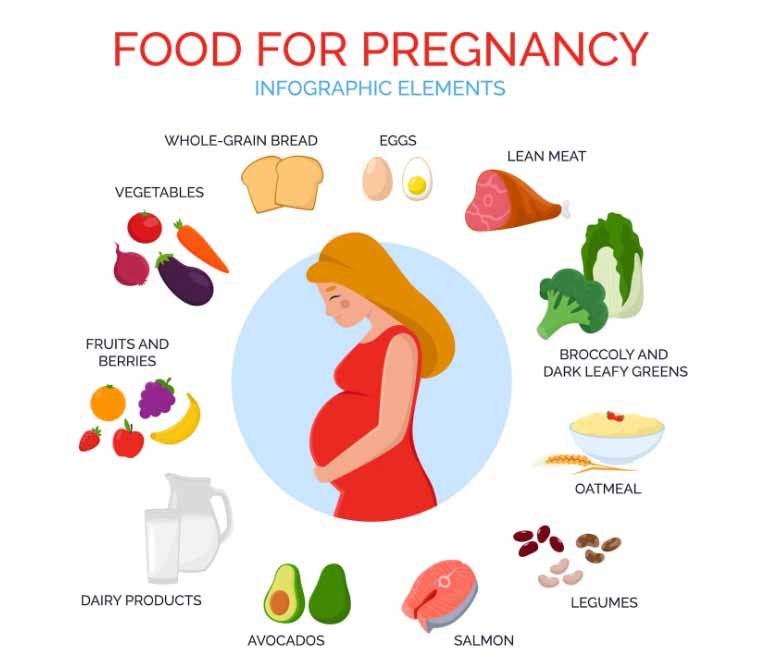
Use whole foods first. The following choices are safe and effective parts of a Gut-Friendly Pregnancy Diet:
- Fermented dairy (probiotic yogurt, kefir): Choose pasteurised options with live cultures — excellent for maintaining healthy gut bacteria.
- High-fiber fruits and vegetables: Apples, pears, leafy greens, carrots and sweet potato help regularity.
- Whole grains & legumes: Oats, brown rice, millets, lentils and moong dal provide soluble and insoluble fibre.
- Prebiotic foods: Garlic, onions, bananas (slightly green), asparagus to feed beneficial microbes.
- Good fats & protein: Nuts, seeds, oily fish (where recommended), eggs and paneer support fetal growth and mucosal health.
Simple daily plan (pregnancy-safe and gut-friendly)
Below is a realistic plan you can follow or adapt. Drink water throughout the day and split meals into small portions if nausea is an issue.
Breakfast
Overnight oats with plain probiotic yogurt, a sliced banana, chia seeds and a handful of toasted almonds.
Mid-morning snack
Fresh papaya or a pear — both are fibre-rich and gentle on the stomach.
Lunch
Khichdi (moong + brown rice) with steamed spinach, a side of spiced buttermilk and a small salad of cucumber and carrot.
Afternoon
Roasted chickpeas or a small bowl of sprouts chaat with lemon and minimal spice.
Dinner
Grilled fish or paneer, mixed vegetable curry, one small whole-wheat roti and a cup of warm ginger water after the meal if reflux is a problem.
Before bed
Warm milk with a pinch of turmeric (if tolerated) for comfort and sleep support.
Probiotics, supplements and safety
Probiotic foods are preferred over supplements unless your clinician advises otherwise. Commonly recommended strains in pregnancy include Lactobacillus and Bifidobacterium species — these help restore balance and may reduce maternal infections and infant eczema risks.
Always discuss iron, folate and vitamin D supplementation with your obstetrician. A practical Gut-Friendly Pregnancy Diet combined with prescribed supplements is the most reliable approach to prevent deficiencies.
Practical habits that boost gut health
- Eat small frequent meals and chew slowly to aid digestion.
- Include a probiotic food at least once daily (yogurt, kefir, or buttermilk).
- Increase fibre gradually to avoid gas and bloating.
- Stay active — regular, gentle walking improves gut motility.
- Avoid excessive caffeine, processed snacks and very spicy foods that trigger reflux.
When to contact your healthcare provider
- Persistent severe abdominal pain, fever, or vomiting.
- Bright red vaginal bleeding or reduced fetal movements.
- Symptoms that do not respond to diet changes — your provider may check for infections or other causes.
Related reading
For complementary maternal nutrition and early lactation support, we recommend our article on breastfeeding: Importance of Breastfeeding for New Mothers — The First Gift of Life.
Frequently asked questions
Q1: Is it safe to eat fermented foods during pregnancy?
A1: Yes — pasteurised yogurt and kefir are safe and helpful. Avoid unpasteurised or homemade fermented items of uncertain origin; when in doubt, consult your clinician.
Q2: Can a Gut-Friendly Pregnancy Diet reduce constipation?
A2: Yes. Including fibre, fluids and gentle physical activity usually improves bowel regularity. Probiotic yogurt and buttermilk can also help.
Q3: Do I need probiotics as a pill?
A3: Not necessarily. Food sources are preferred. If a supplement is recommended, take only clinician-approved formulations for pregnancy.
Q4: Will this diet help with nausea?
A4: Small, frequent meals, ginger tea, and bland carbohydrate-rich options (like plain toast or khichdi) can reduce nausea. A targeted Gut-Friendly Pregnancy Diet emphasises these practical choices.
Q5: How soon will I notice benefits?
A5: Some improvements (less bloating, more regular stools) can appear within days, while microbiome changes take weeks. Be patient and consistent.
Join maternal health resources
Sign up for printable meal planners and short guides to implement a Gut-Friendly Pregnancy Diet safely.
- Weekly meal plans
- Quick Nutritional Guids
Conclusion
Adopting a Gut-Friendly Pregnancy Diet is a practical, low-risk strategy to improve digestion, support nutrient absorption and enhance wellbeing during pregnancy. Small, consistent changes—adding probiotic yogurt, increasing whole grains and vegetables, and staying active—deliver the best results.
If you have medical conditions (gestational diabetes, severe reflux or food allergies), work with your provider to personalise the plan. For most expectant mothers, a thoughtful Gut-Friendly Pregnancy Diet offers clear, immediate benefits.